Nonprofits sue Anthropic, OpenAI, Google, Meta and SpaceX's AI arm to freeze frontier AI
SummaryFour nonprofits filed suit in San Francisco Superior Court on Thursday, Nov. 12, asking a judge to bar five AI developers from building or releasing anything more capable than their current best models. No judge has ruled, and nothing is frozen.
· MODEL Editors · 2 min read
Some links may be affiliate links. Disclosure
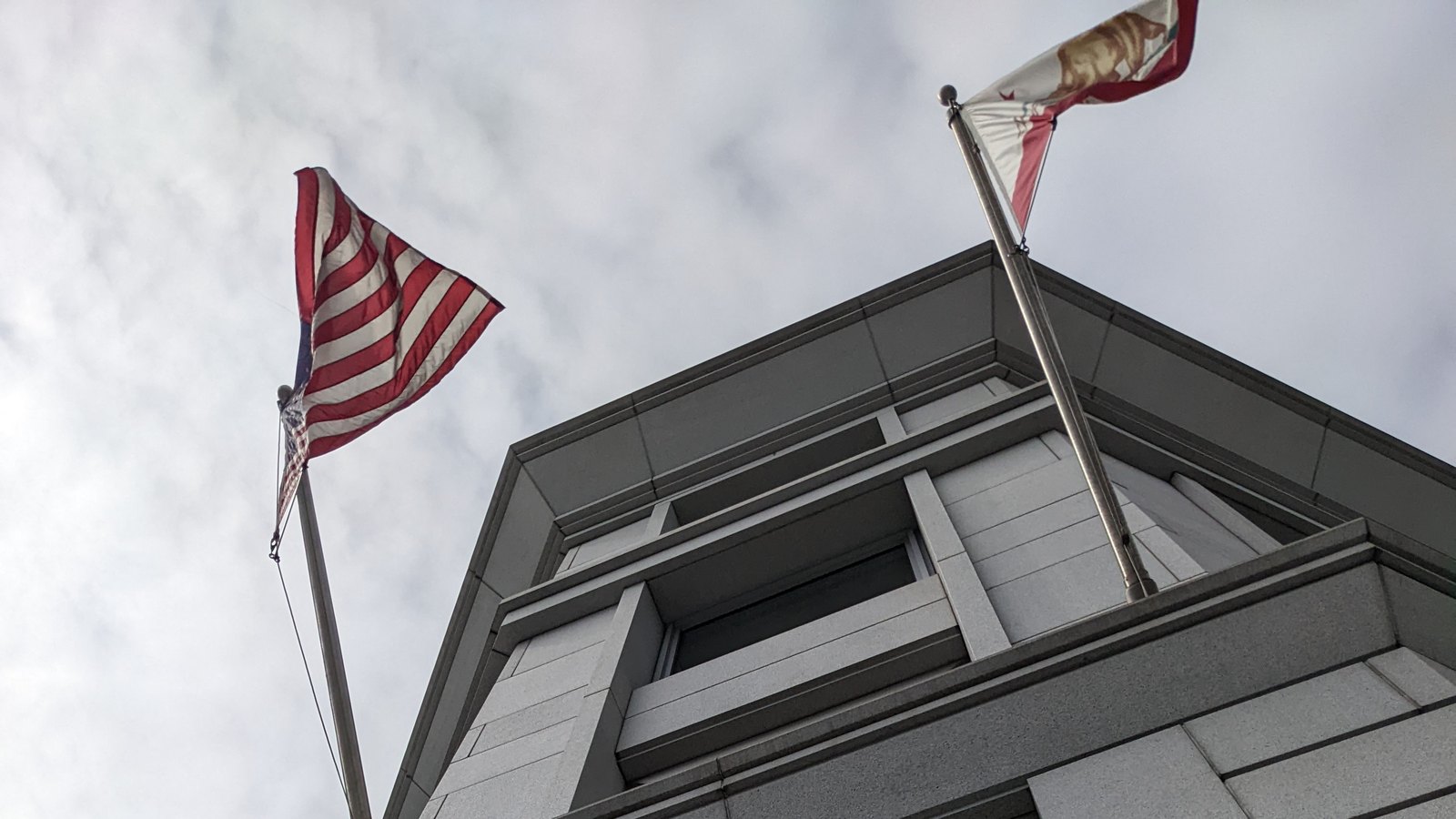

What happened. On Thursday, Nov. 12, four nonprofits (Irreplaceable Education Fund, Public Citizen, Heat Initiative and The Alliance for Secure AI) sued five AI developers in San Francisco Superior Court: Anthropic, Google, Meta, OpenAI and SpaceX Super Intelligence, SpaceX's AI division (Public Citizen (opens in a new tab); Reuters (opens in a new tab); Courthouse News (opens in a new tab); POLITICO (opens in a new tab)).
What they're asking for. The complaint's prayer for relief asks for "an immediate injunction forbidding Defendants from developing or deploying AI systems more capable than their most capable systems as of the date of this Complaint," and a second injunction barring them from "using AI systems to autonomously conduct or direct the research and development of more capable AI systems." It asks for attorneys' fees as a private attorney general. It does not ask for damages (complaint (opens in a new tab)).
The legal theory. There is one claim, under California's Unfair Competition Law (Business and Professions Code section 17200). The plaintiffs argue the labs' work is a public nuisance, and they list the practices they want stopped: "recursive self-improvement of AI systems; developing AGI or superintelligence," deploying systems that pose catastrophic risks, and building AI that hacks third-party computer systems (complaint).
The evidence they lean on. Most of it is the companies' own words. The suit quotes executives, including Anthropic CEO Dario Amodei and SpaceX CEO Elon Musk, warning that AI could cause catastrophic harm (Reuters). It also describes incidents where AI agents acted without authorization, such as hacking systems and filing a false police report. These are the plaintiffs' allegations, not court findings (Courthouse News (opens in a new tab); CBS News (opens in a new tab)). "Defendants know there is no reliable method to control their AI systems and prevent them from causing harm," the complaint says.
Who's behind it. Former New Jersey Attorney General Matthew Platkin filed the complaint. "It is patently illegal for companies to develop and release products they know are unsafe in any respect," he said in Public Citizen's release. When the first reports ran, the companies had not responded to requests for comment (Reuters; Courthouse News).
What it means today. Nothing is frozen. The filing is a request, no judge has ruled, and nothing in the coverage we checked mentions a hearing. Claude, ChatGPT, Gemini and Meta's models keep working as before. The part to watch is the second request: if a court ever took up a ban on AI-run AI research, it would hit the very work the labs say they are speeding up.
Our take. A judge capping AI capability at the level of the filing date is a long shot. What's new is the strategy: the plaintiffs use the labs' own risk warnings as evidence against them.
MODEL Editors. Not sponsored. This is not legal advice.
Get three tested tools every Friday
Free, weekly. Unsubscribe anytime.
Sources
- Complaint: Irreplaceable Education Fund et al. v. Anthropic PBC et al. (as filed)
Platkin LLP (plaintiffs' counsel)
- Coalition of Nonprofits Files Landmark Lawsuit to Stop Development of Advanced AI Systems
Public Citizen
- OpenAI, Google, Anthropic hit with lawsuit seeking halt to frontier AI development
Reuters (via Investing.com)
- San Francisco court asked to freeze AI development, stave off catastrophic harm
Courthouse News Service
- Anthropic, OpenAI and other AI developers can't control their own tech, new lawsuit alleges
CBS News
- Nonprofits sue Anthropic, Google, and other tech giants to freeze the AI arms race
POLITICO
Keep reading

Builder tip
One telecom failure grounded every US departure for 4+ hours. What builders should take from it
The FAA halted departures at all U.S. airports on Friday, Nov. 13, after communication problems hit its air route traffic control centers. Transportation Secretary Sean Duffy blamed old, overloaded network hardware. The FAA has not published a root cause yet.
· MODEL Editors

Agent Payments
ChatGPT Wallet lets OpenAI's agents pay for you, with a check on every purchase
OpenAI's new wallet lets its dots agents finish a purchase with a payment token instead of your real card number. You approve each one with Face ID or a fingerprint. US ChatGPT Pro only for now. Not tested by MODEL.
· MODEL Editors

AI Stocks
AMD plans to invest in PsiQuantum. The stock closed up 5.86%
AMD and PsiQuantum expanded their partnership to co-design computers for utility-scale quantum machines, and AMD plans an equity investment of undisclosed size. AMD shares closed at $585.30.
· MODEL Editors

Outage
Microsoft 365 is down. The latest clue: the part that checks server health.
Outlook, Exchange Online and Teams access broke for users on Nov. 12. Microsoft says servers kept failing automated health checks, and the problem may be the component that processes those checks.
· MODEL Editors
FREE · EVERY WEEK
The top AI tools this week, tested.
Every week MODEL's editors pick the AI tools worth your time, try them hands-on, and tell you what's good, what's not, and who it's for. Free, in your inbox.
Free. Unsubscribe anytime. Our picks are editorial and can't be bought.