Meta sends out Muse Wonder
SummaryTwo agent models, a published API price, and a subscription tier with eighty times the ordinary limit. The benchmark glory is Meta’s to defend.
· MODEL Editors · 2 min read


Meta introduced the Muse Wonder series on October 12: Muse Wonder, and a larger sibling, Muse Wonder Full. Meta describes them as its most capable models for personal and professional agents, trained at a data center it calls Prometheus and describes as gigawatt-scale.
Availability is the part you can act on. Muse Wonder is open through the Meta Model API and in Muse Code. Muse Wonder Full is for Muse Code subscribers, on the Power Usage plan and a new Maximum Usage plan. Meta says Maximum Usage is 80 times the Everyday Usage limit, with the same five-hour and weekly resets. Wonder itself, Meta says, will come to the Muse product later, subscribers first.
The API price for Muse Wonder, from Meta’s developer post the same day: $4 per million input tokens, $0.20 per million cached input tokens, and $20 per million output tokens. Muse Wonder Full is sold as a Muse Code subscription, not at that API rate. Both models list a 1 million token context. The model card dated October 12 says the inputs are text, image, video, and audio, and the output is text. The developer post adds a caveat on audio: audio-dependent uses need confirmation that the surface you are calling actually supports it.
Meta’s names for the behavior it wants you to notice are Active Memory and Active Focus. Memory is context carried across conversations and retrieved when it matters. Focus is staying on a hard task, trying another approach, asking when something is unclear, and checking in before an important action. Those are product descriptions. MODEL has not run the models.
Meta says Muse Wonder Full leads coding leaderboards, including DeepSWE and SWE-Marathon, in independent third-party runs, and that the series has its strongest safeguards to date against chemical, biological, radiological, nuclear, and cyber misuse, under a policy it calls the Meta Superintelligence Scaling Framework. A fuller safety report, the research post says, will be available soon. Treat the ranking sentences as Meta’s until that report, and the leaderboards, are what you are reading.
The model card’s practical line for anyone shipping an agent is the ordinary one: do your own evaluation, and put a person in the loop before the model takes an action it cannot undo.
Sources
The letter
Friday, three tools.
Three tools. Tested. The rest is noise.
The form posts to the Beehiiv subscribe page. The weekly three is editorial. A subscription does not buy a place in it.
Continue

The fitting
Graphicle, on the stand
A free local Rust binary draws a code graph for a coding agent. We ran the Linux build. The speed claim belongs to its maker.
· MODEL Editors

Tools
Grok Voice 3.0, at the old price
xAI’s new speech-to-speech model is in the API at eight cents a minute. The ranking it wants quoted comes from an outside benchmark it cites.
· MODEL Editors
Markets
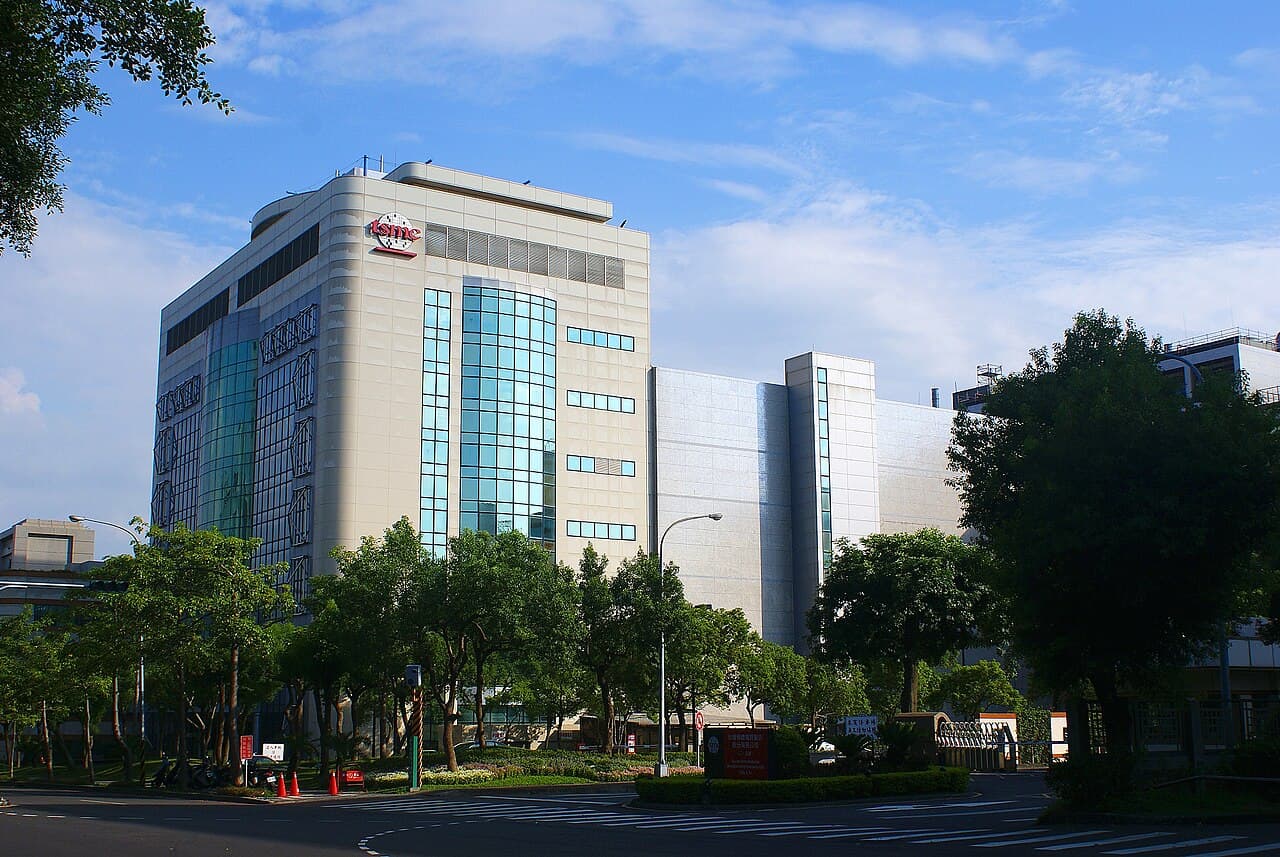
TSMC’s third quarter, in its own numbers
The foundry reported NT$1,494.24 billion of revenue and NT$29.43 a share for the quarter ended September 30. The fourth-quarter range that follows is management’s outlook, not ours.
· MODEL Editors