Small models, cheap boxes, a slow worm
SummaryAnthropic’s October 12 note says a capable model can already be split across television boxes. A model both small enough and able enough to copy itself is, on their estimate, not here yet.
· MODEL Editors · 2 min read
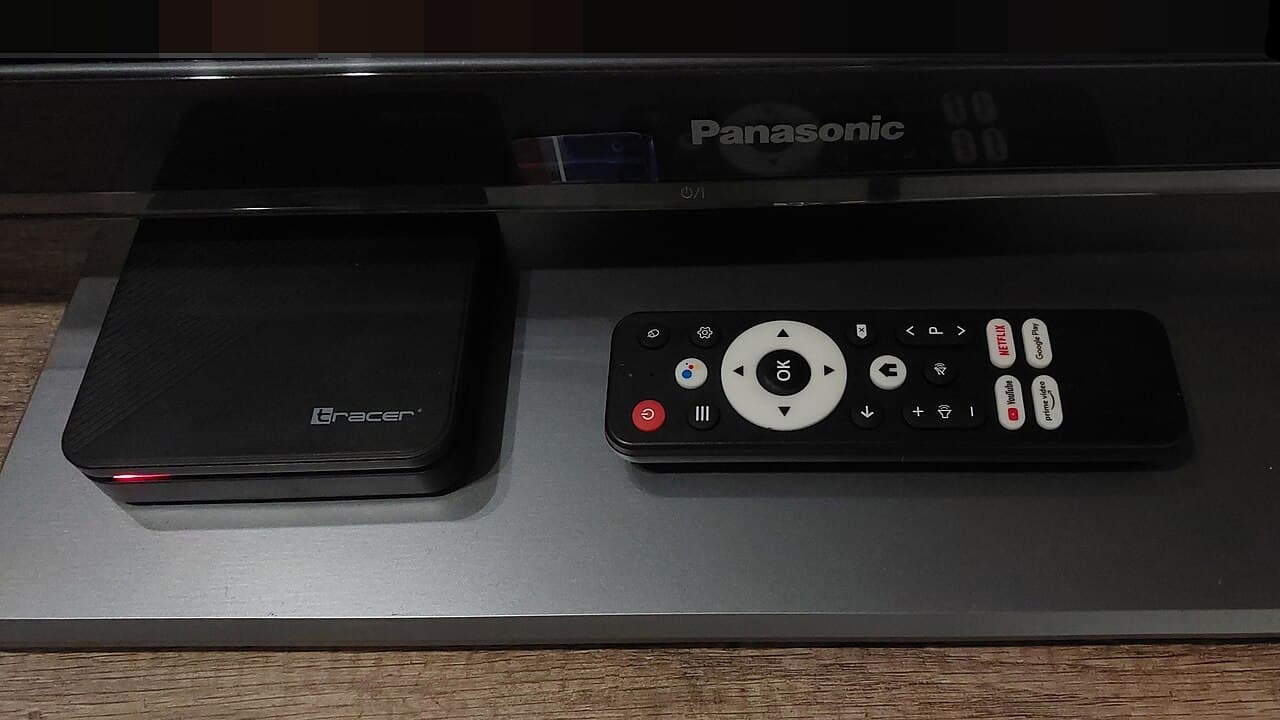

Anthropic published a research note on October 12 arguing that small models may be months away from self-replicating on ordinary connected devices: smart ovens, off-brand Android television boxes, the sort of hardware that ships with little security and a few gigabytes of memory.
The picture in the note is not a data-center heist. It is a worm that carries its own weights, or downloads them, and then runs. Shutting it off would mean finding the devices, because there is no single rack to unplug. Anthropic’s own line on the pace is that it may be slow, with a doubling time measured in days.
What they actually ran is narrower than that sentence, and they say so.
They split a model they identify as Gemma4-26B-A4B across 15 inexpensive off-brand Android TV boxes, about $55 each, and measured 0.39 tokens per second. Boxes in this class, they write, typically have 1 to 4 gigabytes of RAM. At 4-bit quantization and 4 gigabytes, they estimate a 9 billion parameter model needs four or more machines, and a 26 billion parameter model needs ten or more.
On inference setup, they say a 9 billion parameter model got a model serving on 8 of the 9 hardware types they tried. Models at or under 30 billion parameters can already do many of the individual steps, and they make mistakes when the steps have to be composed. In Anthropic’s simplified evaluations, GLM-5.2 and stronger models completed an end-to-end replication. Smaller models did not.
That end-to-end test was a firewalled set of cloud nodes running an Android emulator, with an unauthenticated debugging port. Anthropic calls the cyber step trivial, and therefore an upper bound on what would happen on the real internet. They largely set the exploit stage aside and point to earlier papers for it.
The timing claim is a trend line, not a calendar. Anthropic plots open models of 30 billion parameters or fewer against the Epoch Capabilities Index and fits a gain of 13.7 points a year. If GLM-5.2 is the capability floor for their simplified task, the line puts a small model at that floor by the end of 2026. They say the index is only a proxy, and the estimate is rough. Their explicit conclusion: the floor and the size ceiling do not intersect yet.
Speed, if a worm did exist, would be dull. On their television boxes, Anthropic puts the full inference-setup time for Gemma4-26B-A4B, unoptimized, between 71 and 150 hours, and the same measure for Qwen3.5-9B between 28 and 51 hours. They compare a hypothetical fleet the size of a past Android-TV botnet they cite, somewhere over two million devices, to at most about 40 H100s of inference. That is a picture of scale. It is not a claim that such a fleet is running.
Sources
The letter
Friday, three tools.
Three tools. Tested. The rest is noise.
The form posts to the Beehiiv subscribe page. The weekly three is editorial. A subscription does not buy a place in it.
Continue
The cover
Gemini 4 Argon is open
Google turned its newest frontier model on for developers, companies, and paying subscribers. The introductory price lasts until November 30.
· MODEL Editors

AI News
A recorder in the executive room
The Justice Department says an OpenAI engineer was arrested on October 9 and charged with trying to intercept conversations in a San Francisco office. There is no conviction.
· MODEL Editors
Markets
TSMC’s third quarter, in its own numbers
The foundry reported NT$1,494.24 billion of revenue and NT$29.43 a share for the quarter ended September 30. The fourth-quarter range that follows is management’s outlook, not ours.
· MODEL Editors