Qwen-Audio-3.1 now transcribes 59 languages, with a push on Chinese dialects
SummaryAlibaba's Qwen team widened the language lists for its Qwen-Audio-3.1 speech models. The short-recording speech-to-text model now lists 59 languages, up from 30. Cloud API only. Not tested by MODEL.
· MODEL Editors · 2 min read
Some links may be affiliate links. Disclosure
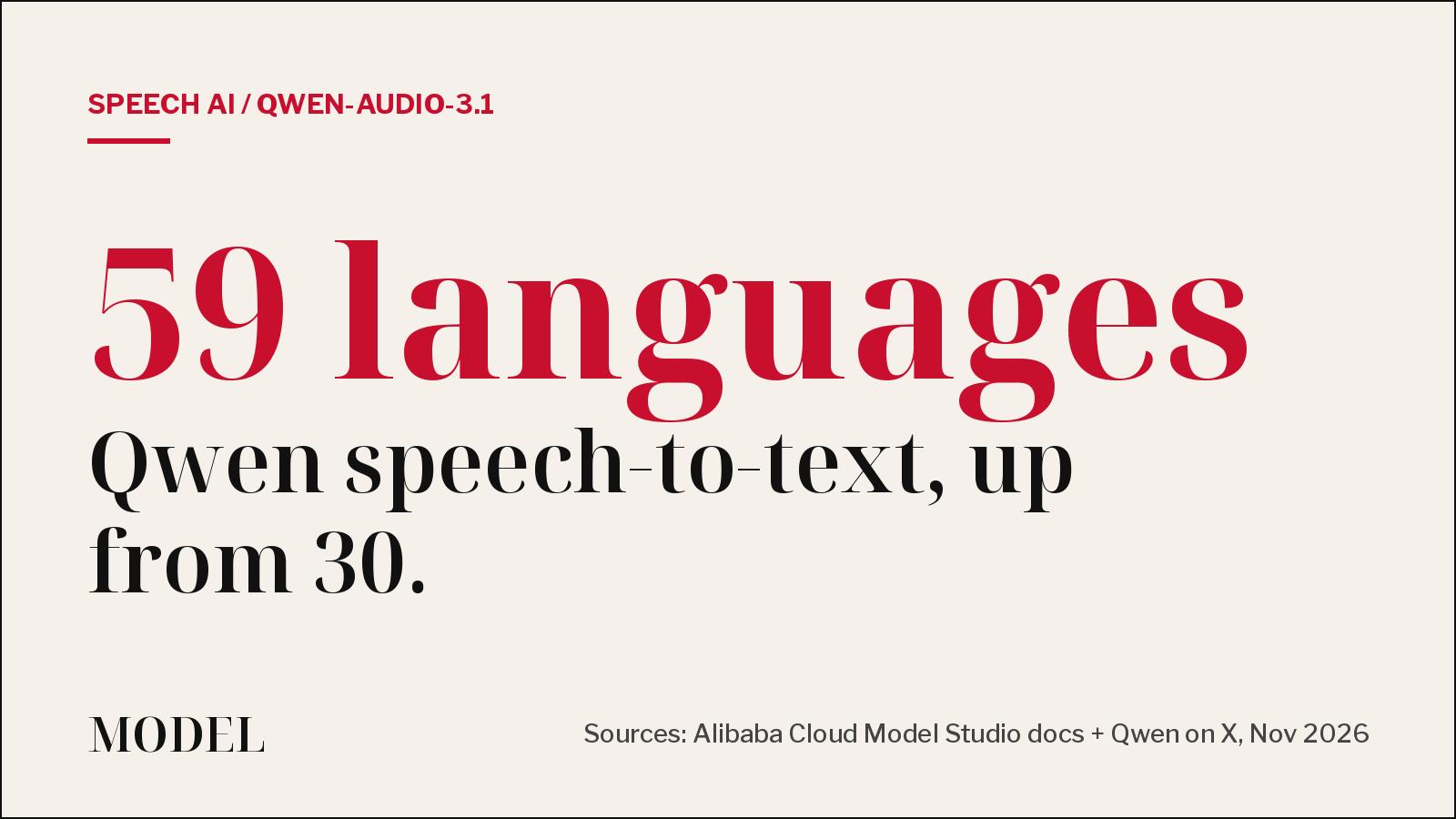
What happened. Alibaba's Qwen team said on X on Wednesday evening (Pacific time) that its Qwen-Audio-3.1 speech models have "enhanced multilingual capabilities, with a strong focus on Chinese dialects." The models came out earlier; this update widens the languages they handle. Qwen's announcement card lists 59 languages for speech-to-text, 65 for text-to-speech and 53 for realtime voice.
What we could confirm. Alibaba Cloud's Model Studio docs list 59 languages for qwen-audio-3.1-asr-flash, the model for recordings up to 5 minutes. Beyond Chinese and the 29 other languages it already had, the new ones include Turkish, Persian, Marathi, Malayalam, Nepali, Georgian, Armenian, the Baltic languages, Catalan, Basque and Galician. The other three speech-to-text models (live streaming, voice messages and long files) still list 30. Qwen's own technical report described the family as covering 30 languages before this update. We could not find the 65 and 53 counts for speech synthesis and realtime in the docs we checked, so those numbers come only from Qwen's announcement.
The dialect part. For Chinese, the docs list Mandarin, Cantonese, Wu, Hokkien, Hakka, Gan, Xiang and Jin, plus regional Mandarin accents such as Sichuan, Henan and Northeastern. All four speech-to-text models can keep dialect wording as spoken, instead of turning it into standard Mandarin. Alibaba's docs point out that recognizing a dialect and keeping its written form are two separate settings. On the speech side, the text-to-speech model can be told to speak in a dialect, using a voice that supports it.
Who it's for. Developers building captions, call-center tools, voice notes or voice agents for users who don't speak standard Mandarin or English, especially in China and Southeast Asia. The short-recording model can also label who is speaking.
How to use it. These are hosted APIs on Alibaba Cloud Model Studio, not a free app or open model you download. qwen-audio-3.1-asr-flash is billed on tokens, and Alibaba's pricing page says the free quota applies only in the Singapore region.
The catch. Qwen did not publish new accuracy numbers with this update, so a longer language list doesn't tell you how well a given language works. Test on your own audio before you rely on it, especially for the newly added languages.
Not tested by MODEL. Not sponsored. No affiliate links.
Get three tested tools every Friday
Free, weekly. Unsubscribe anytime.
Sources
- Speech-to-text overview (models and languages)
Alibaba Cloud Model Studio docs
- Non-real-time speech synthesis
Alibaba Cloud Model Studio docs
- Model pricing
Alibaba Cloud Model Studio docs
- Qwen-Audio-3.1-ASR Technical Report
arXiv
- Qwen: New multilingual capabilities are here for Qwen-Audio-3.1
X (Nov. 25, 2026)
Keep reading

Obsidian
Hermes Agent joins Claude, ChatGPT and Cursor with Obsidian's official agent skills
Obsidian now ships one official skills plugin for AI agents, and Nous Research's Hermes Agent is the latest to add it. Your notes stay as local files, but what the agent reads goes to its AI model. Not tested by MODEL.
· MODEL Editors
Thanksgiving
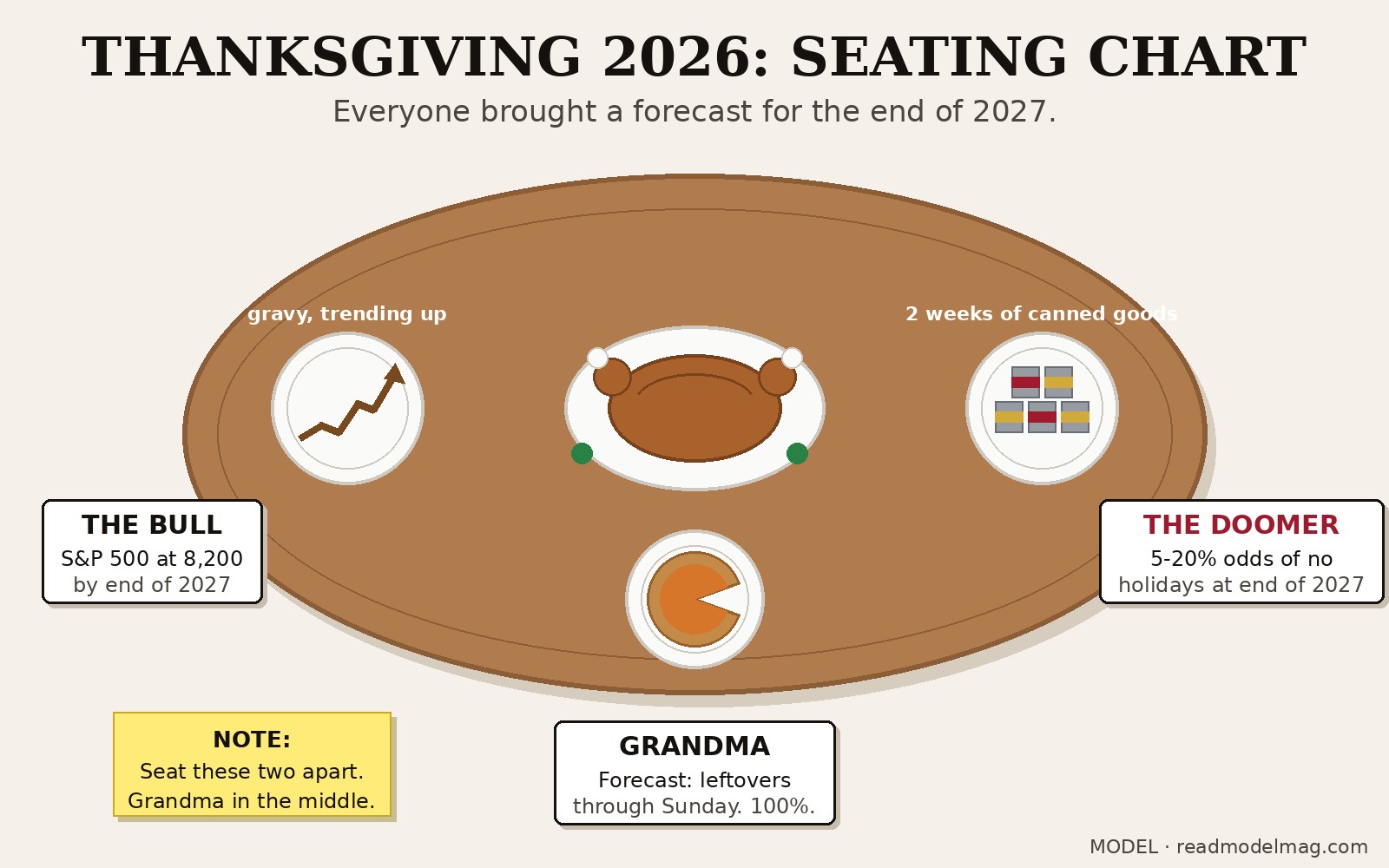
Thanksgiving 2026 seating chart: the AI bull and the AI doomer
JPMorgan says the S&P 500 reaches 8,200 by the end of 2027. A viral letter from an AI safety researcher puts 5-20% odds on no holidays at the end of 2027. Same deadline, different leftovers.
· MODEL Editors
Apps
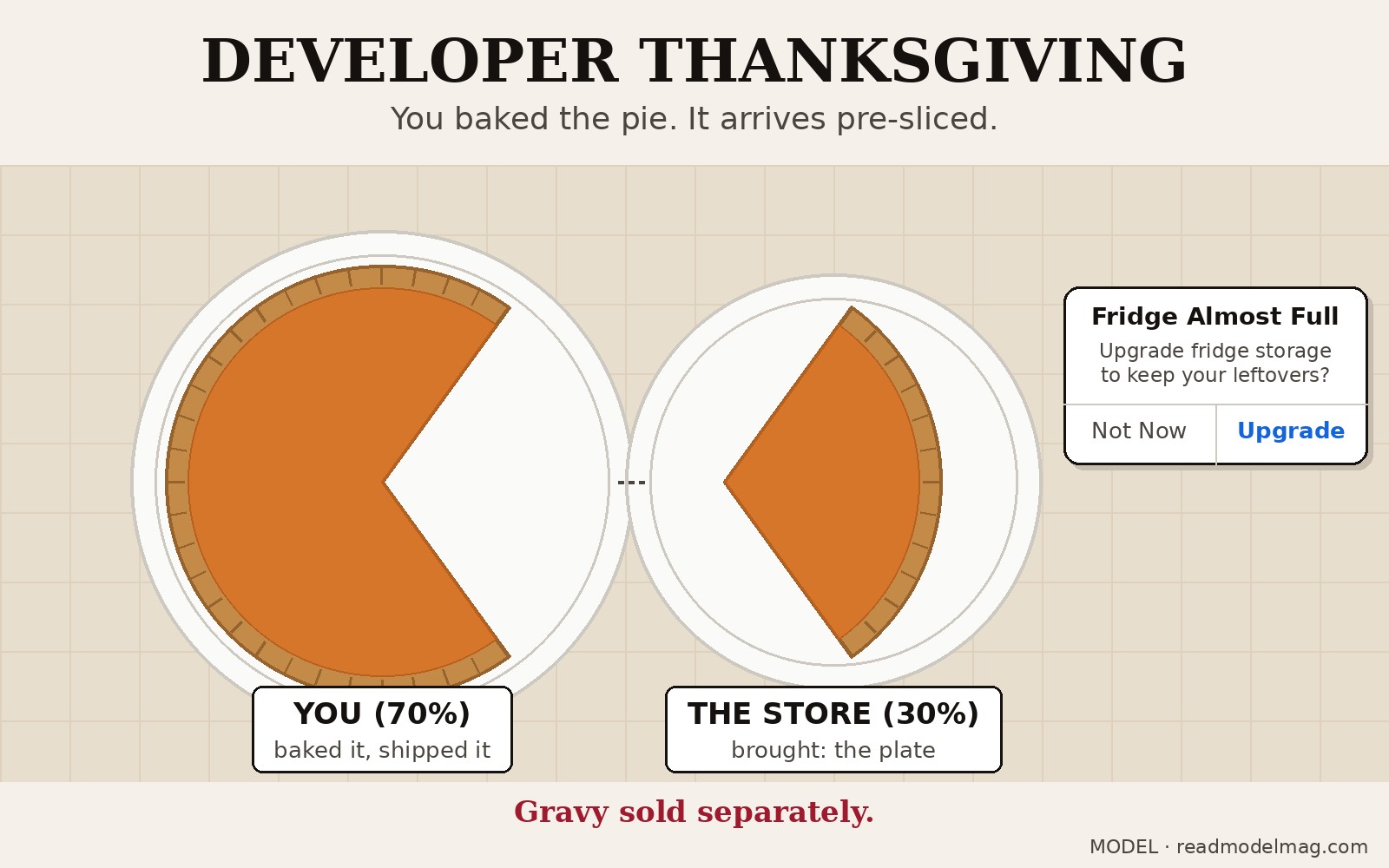
Developer Thanksgiving: the pie arrives pre-sliced
Telegram used Thanksgiving morning to go after Apple and Google over app store fees. Here is what the two stores actually charge, from their own developer pages.
· MODEL Editors
AI Chips
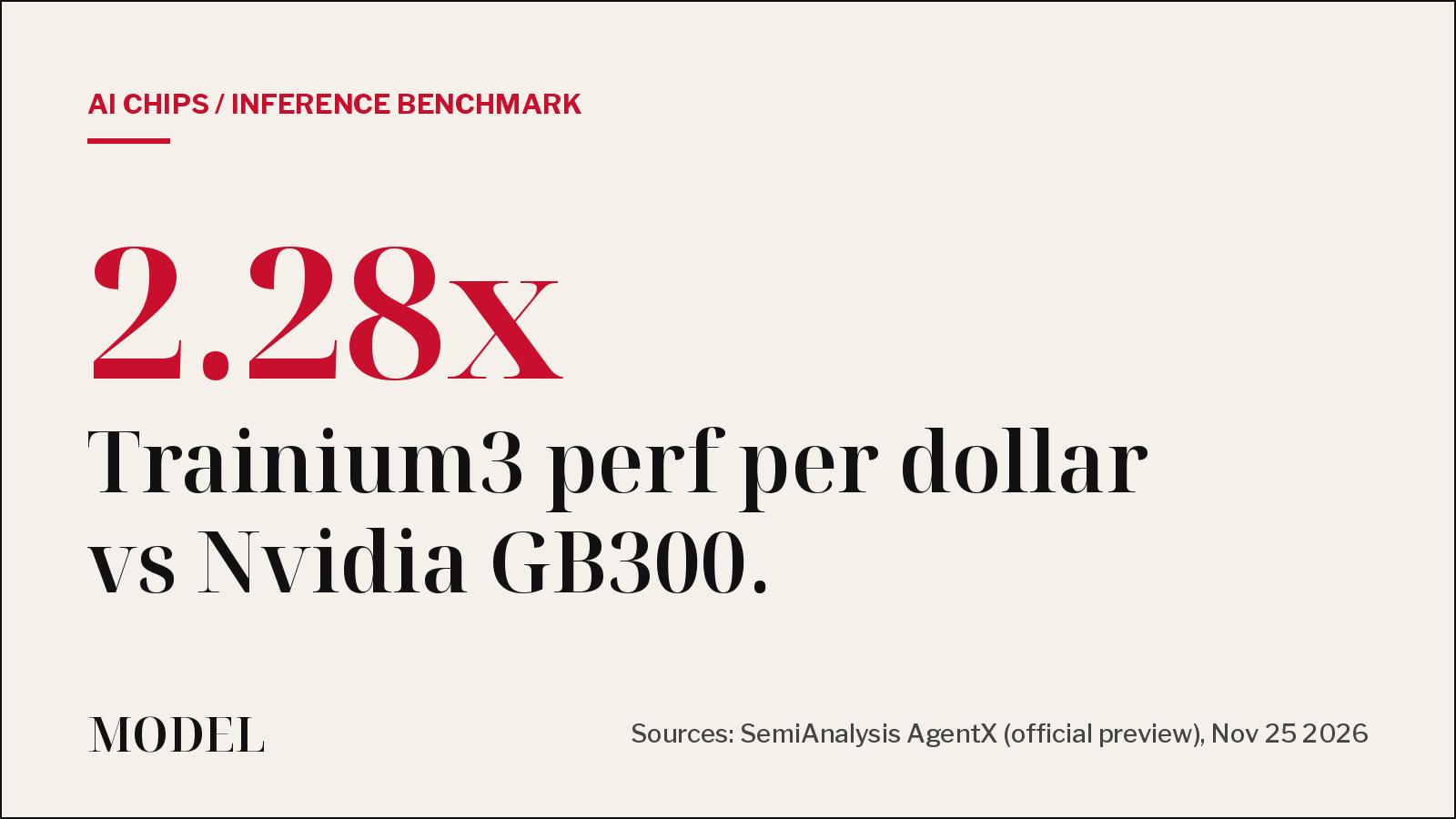
Jensen said TPU and Trainium would never show up. Now they top Nvidia on cost
SemiAnalysis put Amazon's Trainium3 and Google's TPU on its InferenceX/AgentX benchmark. It says they deliver 1.2x to 2.5x the performance per dollar of Nvidia GPUs. Trainium3's headline 2.28x is an official preview, and most of it comes from cost. Not investment advice.
· MODEL Editors
FREE · EVERY WEEK
The top AI tools this week, tested.
Every week MODEL's editors pick the AI tools worth your time, try them hands-on, and tell you what's good, what's not, and who it's for. Free, in your inbox.
Free. Unsubscribe anytime. Our picks are editorial and can't be bought.