Bostrom: no aging could mean 1,200-year lives. We have plans.
SummaryOn the a16z Show, Nick Bostrom said safe superintelligence could bring anti-aging breakthroughs, and that a life without aging would last on the order of 1,200 to 1,400 years. The clip is making the rounds again.
· MODEL Editors · 1 min read
Some links may be affiliate links. Disclosure
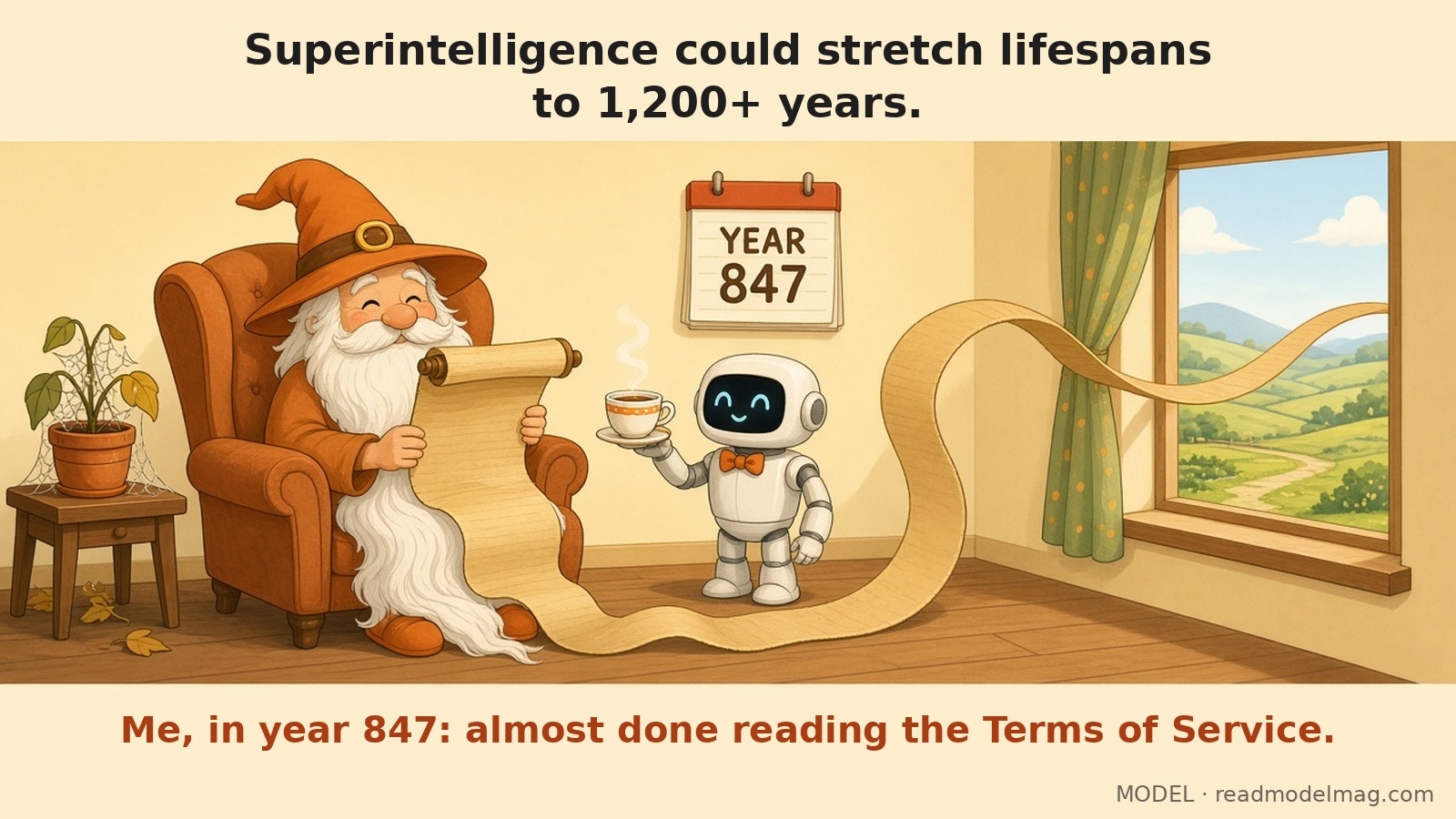
What he said. Philosopher Nick Bostrom, author of Superintelligence and Deep Utopia, joined Theo Jaffee and Sofia Puccini on the a16z Show (opens in a new tab) (posted Oct. 11, 2026). Asked about his paper on the optimal timing for superintelligence (opens in a new tab), he argued that successfully building safe superintelligence "could lead to enormous breakthroughs in biomedicine and in anti-aging interventions."
The number. "If you think about what our life expectancy would be if we weren't aging, it's something on the order of, you know, 1,200, maybe 1,400 years or so," Bostrom said in the clip (opens in a new tab). He added that this "maybe is a quite conservative lower bound," since other risks such as accidents could also come down.
The other side of his argument. Bostrom framed it against the book If Anyone Builds It, Everyone Dies: if nobody builds it, he said, everyone dies too, just on the usual schedule. He was also clear that life expectancy is "not the only question we should be asking," naming future generations, existential risk and fairness as things that should weigh heavily in any decision. On the same show he said he favors keeping the ability to slow frontier AI development rather than committing now to a broad or indefinite pause.
Why it's back. The clip is circulating on X again this weekend, alongside a wider argument about what AI should and shouldn't be trusted to do.
Our take. A 1,200-year life is a conditional estimate: no aging, and safe superintelligence first. It isn't a forecast with a date on it. Still, we know what we'd do with the time. The terms of service aren't going to read themselves.
Not sponsored. -- MODEL Editors
Get three tested tools every Friday
Free, weekly. Unsubscribe anytime.
Sources
- Nick Bostrom: How Should We Navigate Superintelligence?
Andreessen Horowitz (a16z)
- Why Nick Bostrom Thinks Superintelligence Could End Aging
YouTube
- Optimal Timing for Superintelligence
Nick Bostrom
Keep reading
Riemann Hypothesis
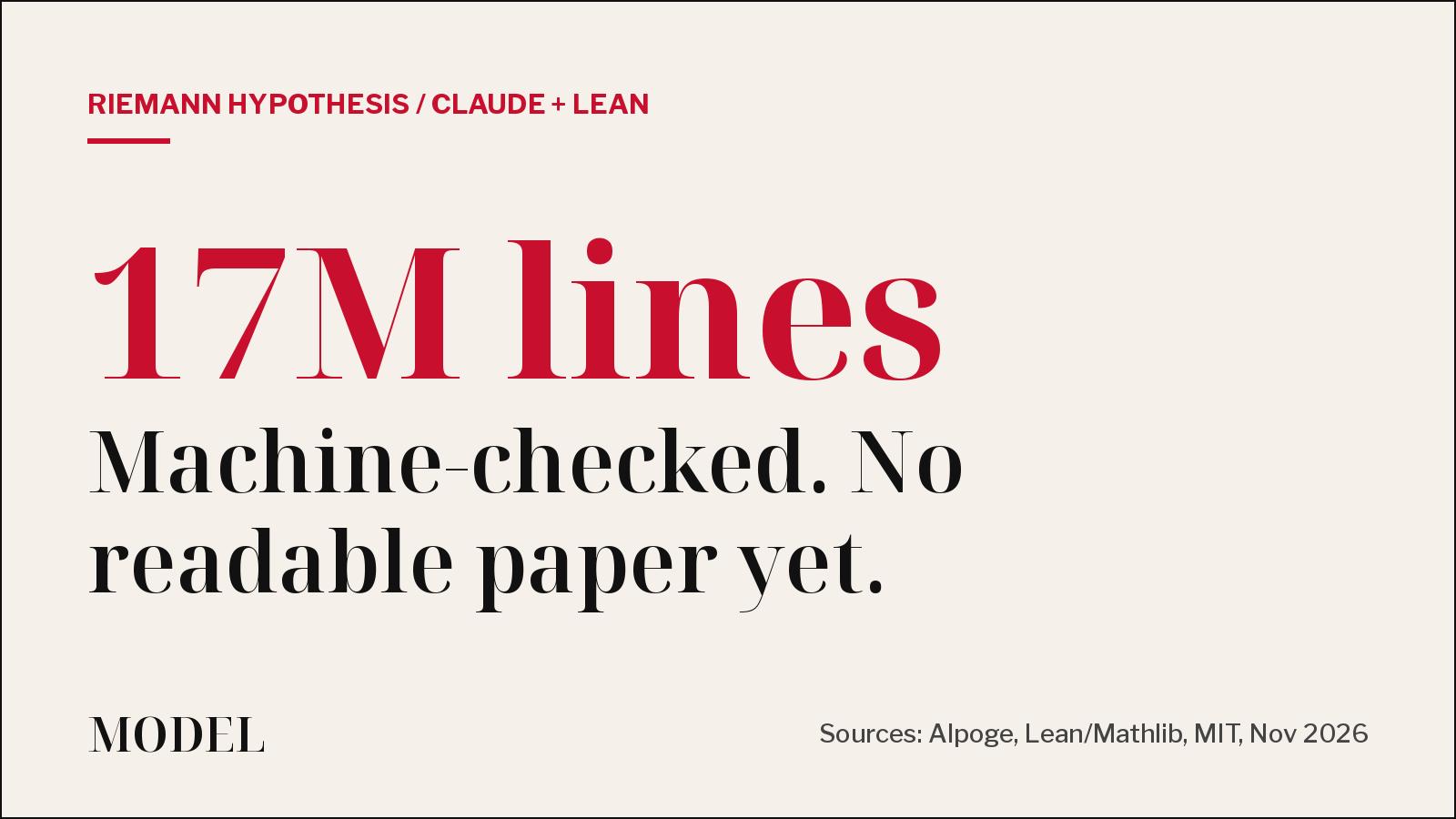
Anthropic mathematician says Claude helped prove the Riemann Hypothesis. Lean checks agree
Levent Alpöge released a 17-million-line Lean proof on Nov. 20. The Lean and Mathlib communities certified it a day later. There is still no human-readable paper, and a separate all-human draft is already drawing error reports.
· MODEL Editors

AI Stocks
Nvidia's CEO exit hits Asia: Taiwan posts its second-biggest point drop ever
Taiwan's Taiex fell 6.03% on Monday, Korea's Kospi 3.59% and Japan's Nikkei 2.42%, as chip suppliers took the hit from Jensen Huang's resignation at Nvidia. Nvidia itself was down about 2% early in New York.
· MODEL Editors
Meme of the day
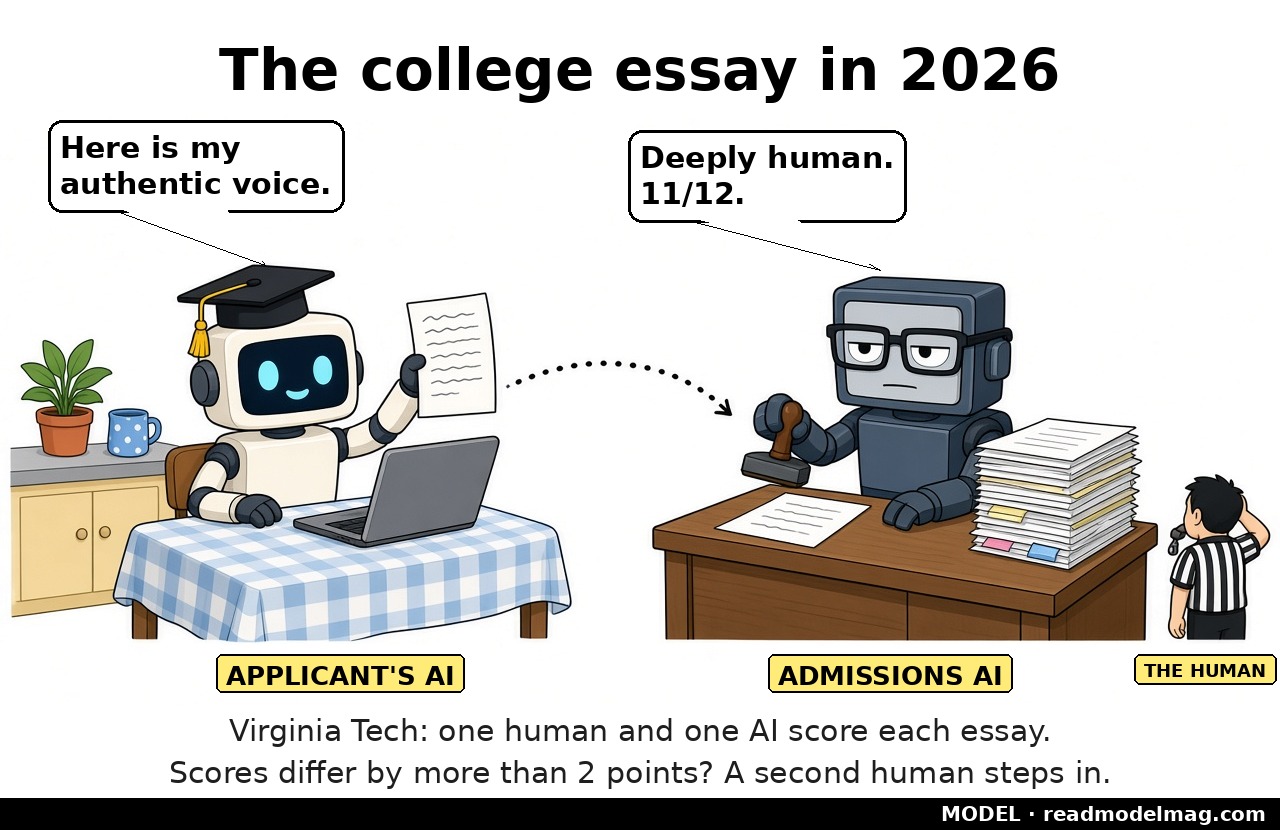
The college essay in 2026: AI writes it, AI grades it, a human referees
Students are leaning on chatbots for applications while colleges test AI to score them. Here is what Virginia Tech, Tulane and UNC-Chapel Hill have actually changed.
· MODEL Editors
Meme of the day
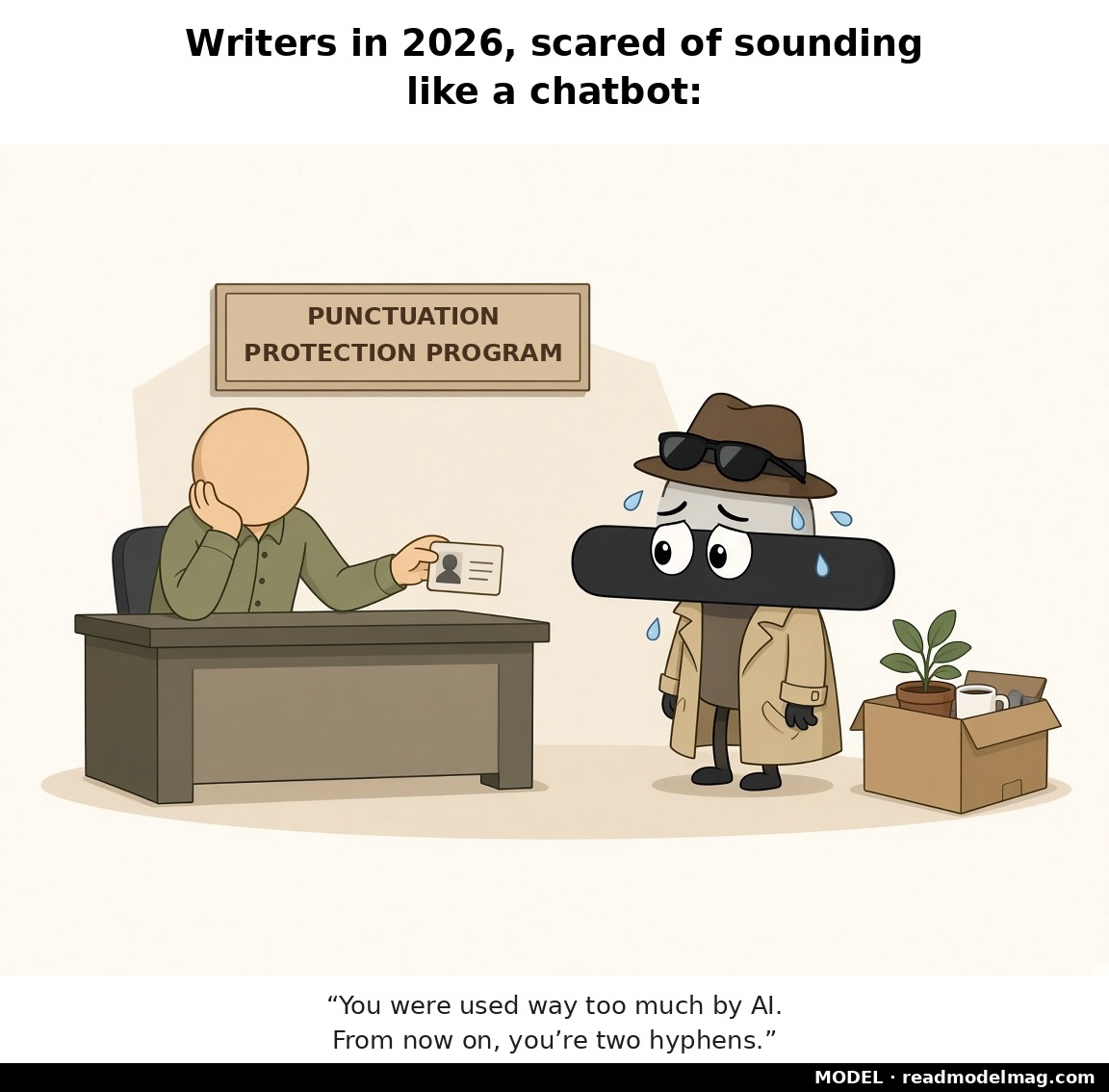
The em dash is in witness protection: writers scrub it to avoid sounding like AI
One year after Sam Altman said ChatGPT would finally obey 'no em dashes' in custom instructions, human writers are the ones dodging the mark. Here is what the reporting actually shows.
· MODEL Editors
FREE · EVERY WEEK
The top AI tools this week, tested.
Every week MODEL's editors pick the AI tools worth your time, try them hands-on, and tell you what's good, what's not, and who it's for. Free, in your inbox.
Free. Unsubscribe anytime. Our picks are editorial and can't be bought.