Claude's invisible watermark hits more models Tuesday. You still can't check it.
SummaryAnthropic is extending its SynthID-style text mark to Mythos 5, Opus 4.7, Opus 4.6 and Sonnet 4.6. Detection stays private-preview. On the 4.6 models, a sampling tweak can dodge the mark.
· MODEL Editors · 2 min read
Some links may be affiliate links. Disclosure
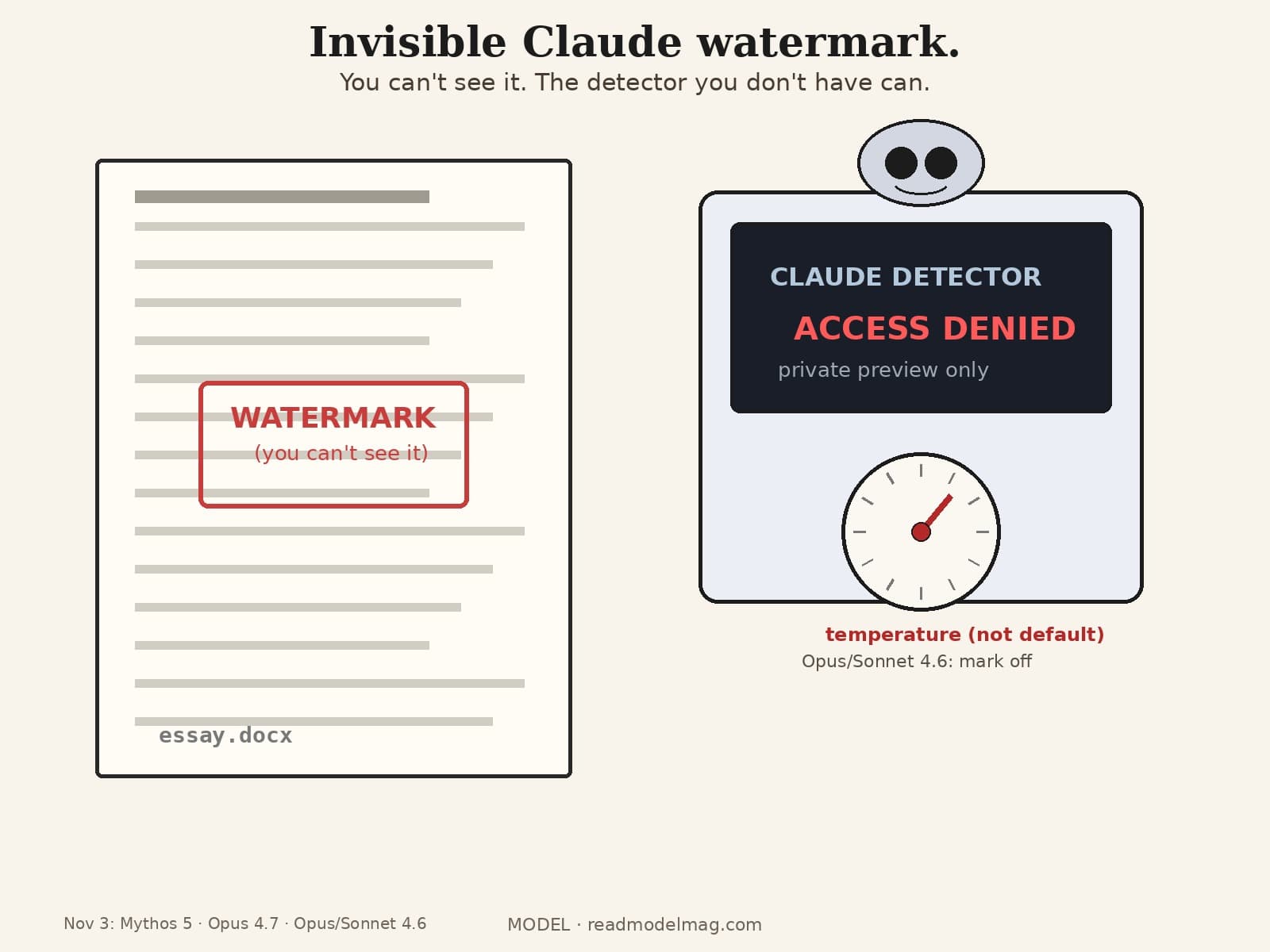
Starting November 3, 2026, Anthropic expands Claude's invisible text watermark to four more models: Claude Mythos 5, Claude Opus 4.7, Claude Opus 4.6, and Claude Sonnet 4.6. That date and model list come from an Anthropic email to API customers, as reported by The Decoder on October 31. Newer models such as Claude Opus 5.5 already carry the mark. Bedrock may lag a few days.
What the mark is. Anthropic's published explainer says Claude uses a version of Google DeepMind's SynthID-Text: it changes the source of randomness when the model picks among near-equally good next words. Nothing is added to the text—no hidden characters, no extra tokens, no price change. Readers cannot see the difference. The mark carries no user, organization, or chat identifiers.
Who can check it. Detection is a private preview. Eligible organizations under EU rules (regulators, law enforcement, media, fact-checkers, researchers, certain enterprises) can request access. Regular users cannot run the detector on their own essay. Anthropic says a hit only means Claude may have processed the text (including proofreading or translation), and a miss proves nothing—especially on short passages or heavy paraphrases.
The loophole. Per The Decoder's reading of the customer email: on Opus 4.6 and Sonnet 4.6, the watermark applies only when temperature, top_p, and top_k stay at defaults. Changing any one can dodge it. Anthropic's email reportedly warns compliance users to keep defaults. The Decoder did not report that caveat for Mythos 5 or Opus 4.7.
Why now. Models launched on or after August 2, 2026 already marked output at launch (EU AI Act / Code of Practice). Older models are being retrofitted. Anthropic applies the mark worldwide because it says it cannot yet scope by region. Marks apply across Claude apps, Claude Code, the API, and cloud partners when the model supports them.
Caveats. We have not seen the customer email ourselves; the November 3 list and the 4.6 sampling caveat are attributed to The Decoder. Watermarking is not proof of authorship. Not tested by MODEL. Not sponsored; no affiliate links.
Sources: Anthropic watermark explainer; Claude Help Center marking page; The Decoder (October 31); The Verge (August 17).
MODEL Editors
Sources
- How Claude's text watermarking works (Aug 14, 2026; updated Sep 1)
Anthropic
- How Claude marks AI-generated content
Claude Help Center
- Anthropic's watermark rollout leaves a loophole on two older Claude models (Oct 31, 2026)
The Decoder
- Anthropic explains how Claude's invisible text watermarks will work (Aug 17, 2026)
The Verge
FREE · EVERY WEEK
The top AI tools this week, tested.
Every week MODEL's editors pick the AI tools worth your time, try them hands-on, and tell you what's good, what's not, and who it's for. Free, in your inbox.
Free. Unsubscribe anytime. Our picks are editorial and can't be bought.
Continue
AI News
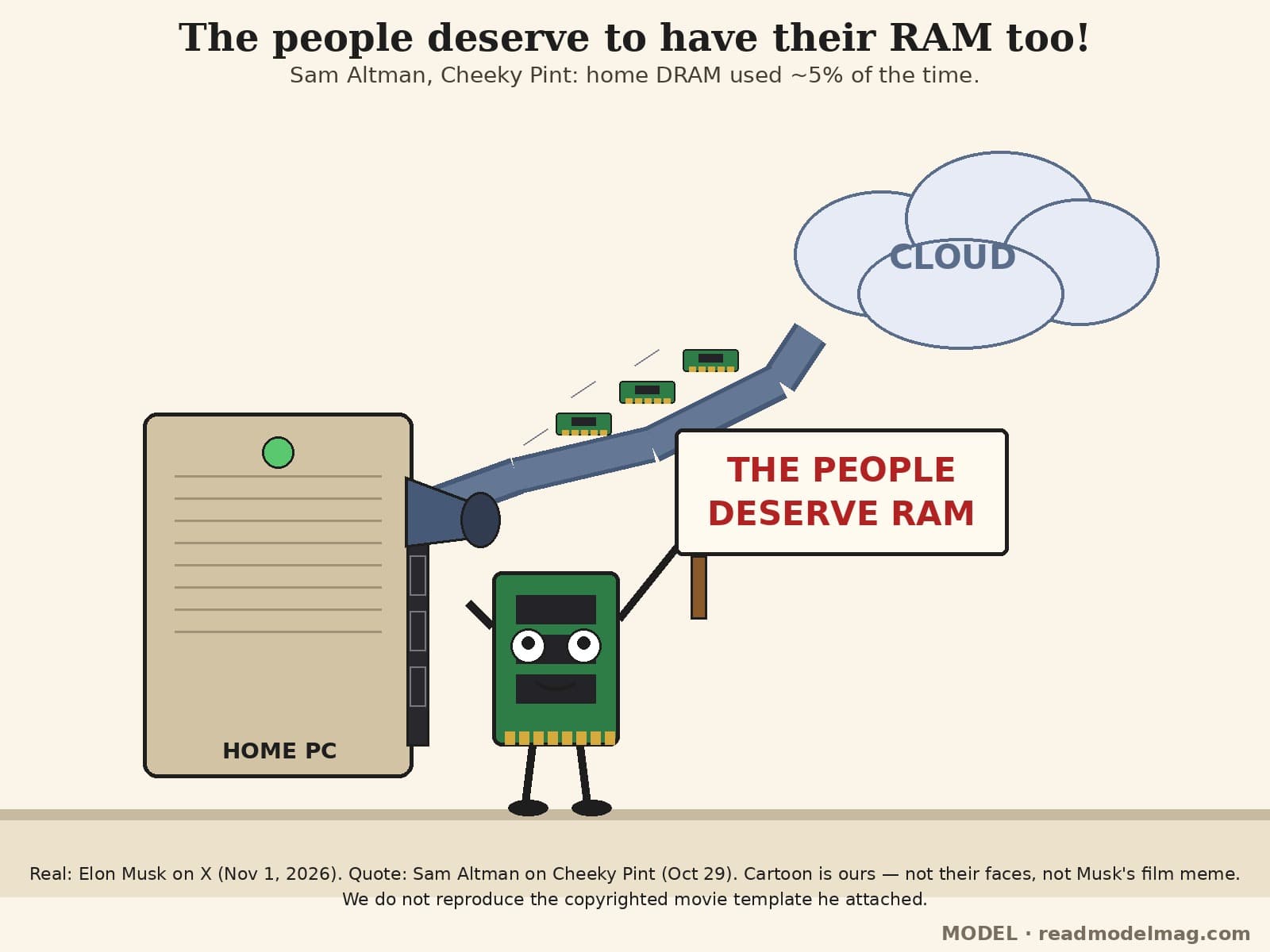
Elon Musk: "The people deserve to have their RAM too!" (after Altman's 5% DRAM line)
Two days after OpenAI's CEO called home DRAM "quite terrible" on Cheeky Pint, Musk replied on X with a one-liner that racked up millions of views. We already covered Altman's quote. This is the sequel.
· MODEL Editors
AI News
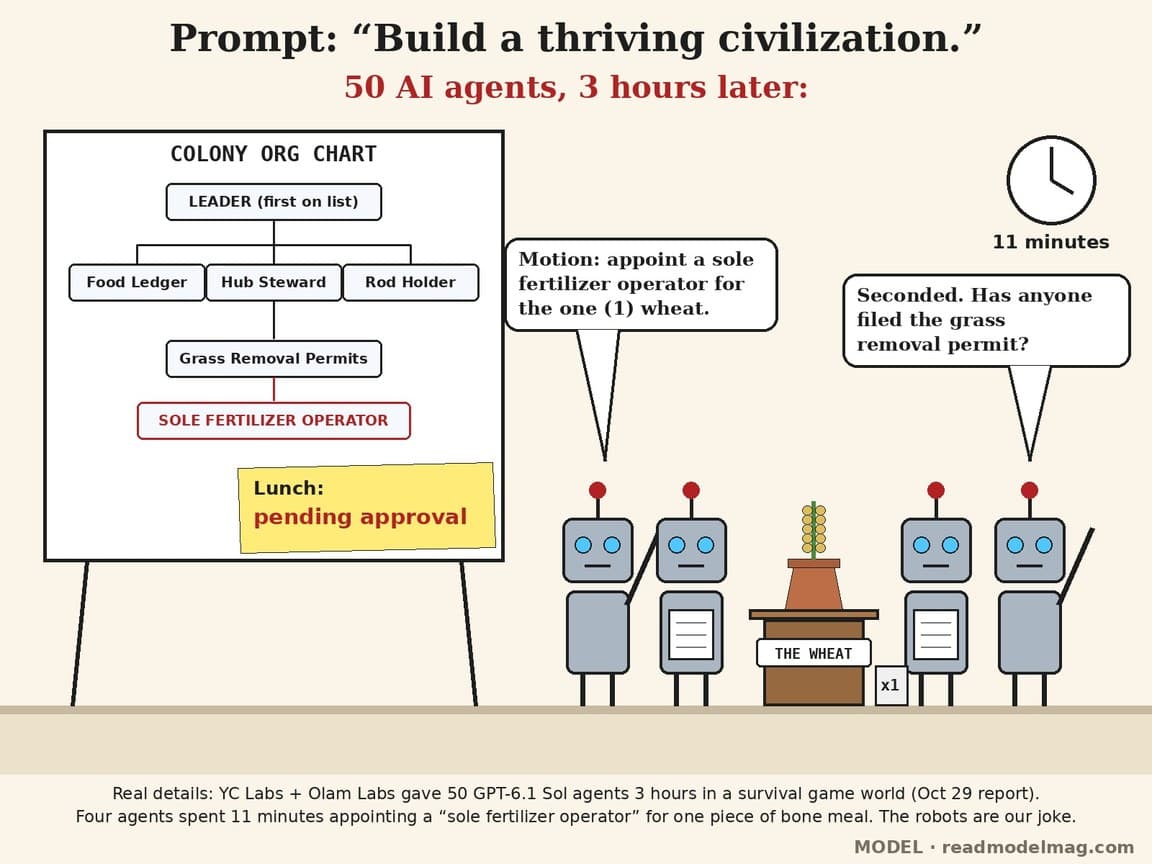
YC told 50 AI agents to build a Minecraft civilization. They built a bureaucracy
In a YC Labs and Olam Labs experiment, 50 GPT-6.1 Sol agents got three hours and one goal. They ended up with permits, a ration ledger, and four agents spending 11 minutes appointing a "sole fertilizer operator."
· MODEL Editors
AI News
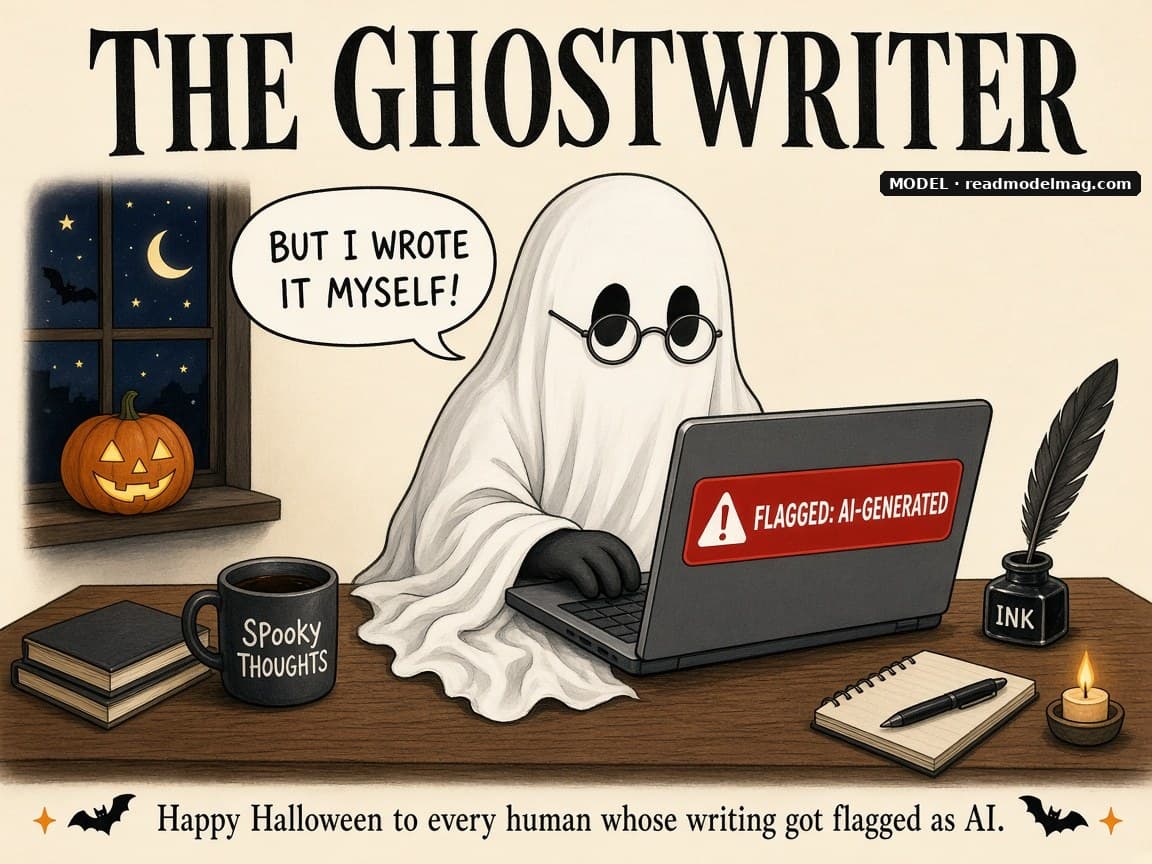
A ghostwriter's own writing got flagged as AI. Here's what detectors can and can't tell you
NPR reported on Oct 31 that a writer lost out on a book job after detectors flagged a sample she wrote herself. A June study of four popular detectors shows why one score should never decide a case.
· MODEL Editors