Enterprise AI deployment spend hit $177B. Coding apps alone are $34B.
SummaryMenlo Ventures' 2026 State of Enterprise AI estimates $176.8B in enterprise deployment spend by September — 5.4x last year's $33B — with agents driving the bill and Anthropic at 55% of enterprise LLM API spend.
· MODEL Editors · 2 min read
Some links may be affiliate links. Disclosure
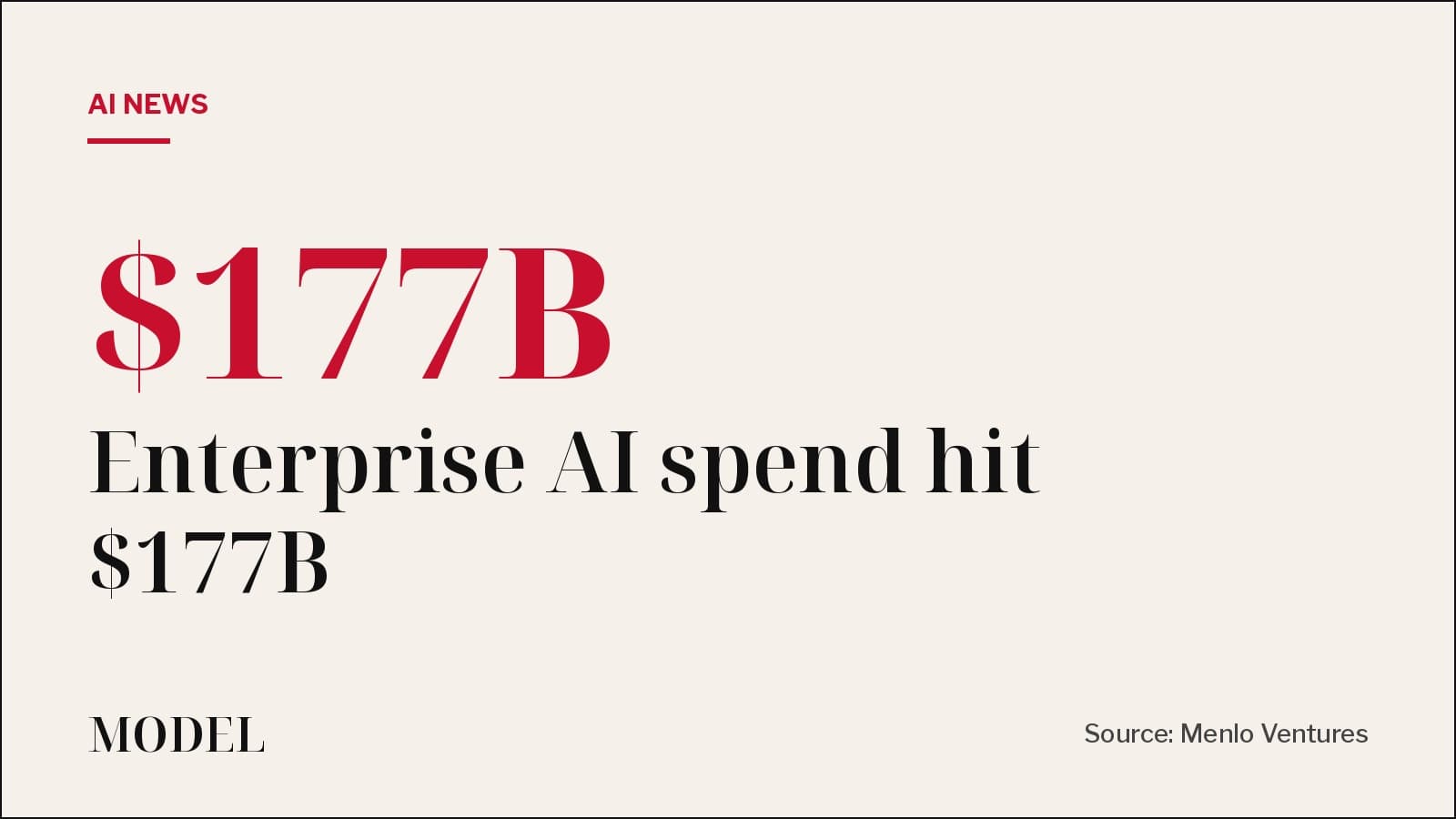
Menlo Ventures published its fourth annual State of Enterprise AI report on November 3, 2026. The headline number: enterprise AI deployment spending reached $176.8 billion by September 2026 — often rounded to $177B — up 5.4x from $33B in 2025. Growth accelerated versus last year's 3.9x. These are Menlo estimates (survey + bottoms-up model + filings), not audited company totals.
Where the money goes. Of that deployment stack, Menlo splits roughly $99.5B infrastructure and $77.3B applications. Inside apps, two categories dominate 76% of spend: coding at $34.0B (up 7.7x) and enterprise chatbots / workplace assistants at $25.0B. Healthcare is a distant third at $3.7B. For builders, the punchline is blunt: coding is the biggest AI app category, and Menlo says AI-native providers capture 96% of that coding spend (including lab products like Claude Code and Codex, which together are about $24B / 70% of coding).
Who wins the API bill. Frontier labs (Anthropic, OpenAI, Google) command 69% of deployment dollars, up from 50%. On enterprise LLM API spend specifically, Anthropic rose from 40% to 55%, OpenAI from 27% to 31%, and Google fell from 21% to 9%. Open-source is 19% of usage but only 4% of spend.
Agents — with a caveat. Menlo's agent story leans on OpenRouter data: agents now generate 80% of OpenRouter tokens (~7x human-driven), and agent traffic is up 37x since overtaking humans in February. Menlo itself notes OpenRouter skews toward developers and startups more than the enterprise buyers in its survey — so treat that as a usage channel signal, not a census of every corporate seat.
How they got the numbers. Nearly 400 U.S. enterprise decision-makers overseeing more than $4B in AI spend, fielded by Morning Consult (Sept 8–26, 2026), plus Menlo's market model. Average reported spend hit 4.7x last year versus a planned 1.9x. Menlo also says 55% of incremental AI dollars came from net-new budgets rather than ripping out Salesforce or Workday.
Catch. Menlo is a venture firm with portfolio companies across this stack (including Anthropic, OpenRouter, and several infra/app names it flags with asterisks). The $177B figure is their estimate of annualized run-rate deployment spend. MODEL has not tested any product named in the report. Not sponsored. Not investment advice.
MODEL Editors
Sources
- 2026: The State of Enterprise AI
Menlo Ventures
- 2026: The State of Enterprise AI (PDF)
Menlo Ventures
- Menlo Ventures' 2026 State of Enterprise AI Report: Enterprise AI Spending Hits $177B
GlobeNewswire
Not investment advice.
FREE · EVERY WEEK
The top AI tools this week, tested.
Every week MODEL's editors pick the AI tools worth your time, try them hands-on, and tell you what's good, what's not, and who it's for. Free, in your inbox.
Free. Unsubscribe anytime. Our picks are editorial and can't be bought.
Continue
AI News
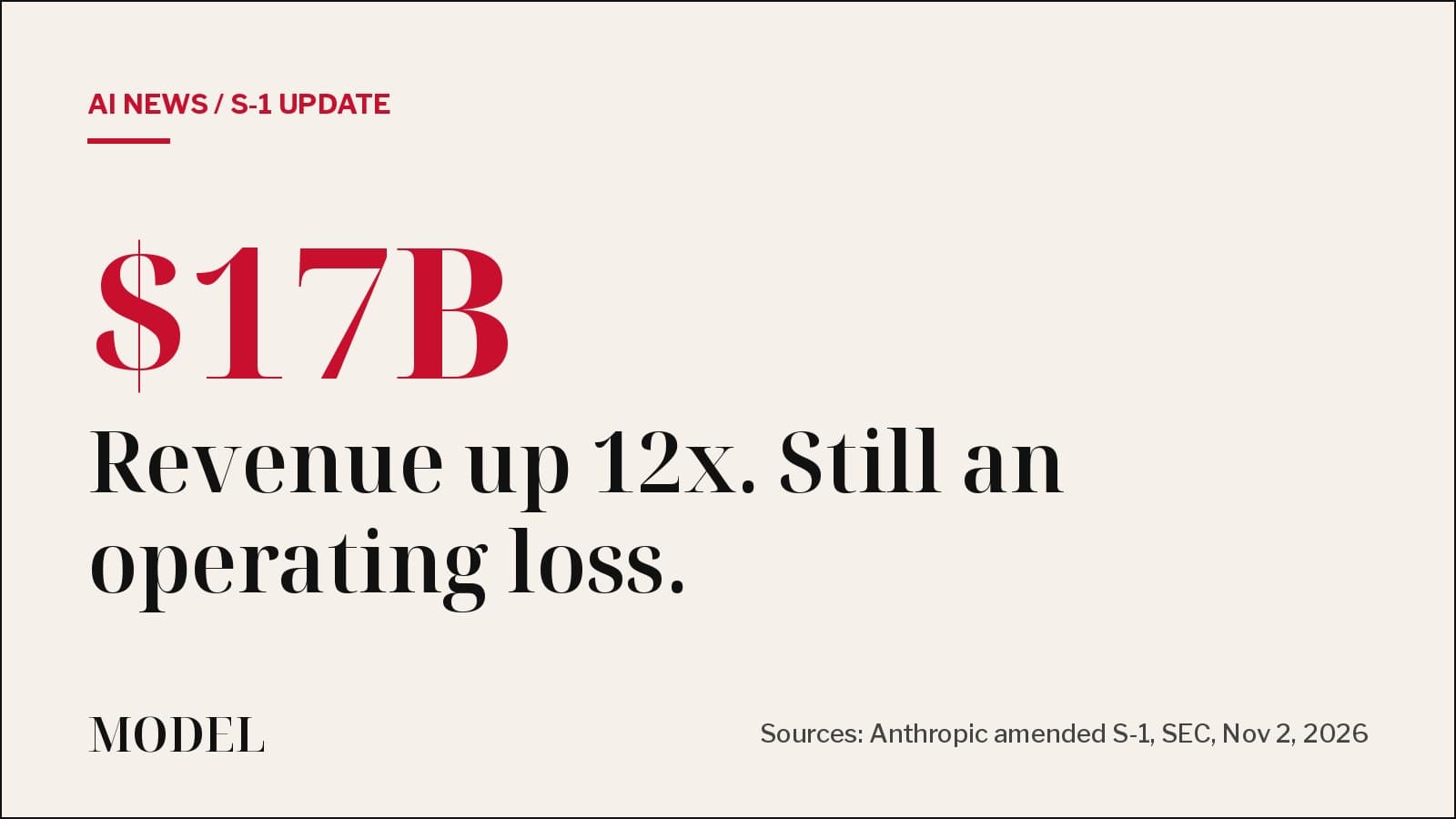
Anthropic made $17 billion last quarter and still posted an operating loss. The compute bill is why
Anthropic's amended S-1, filed November 2, adds its third-quarter numbers: revenue up about 12x from a year earlier, a swing back to an operating loss, and $895.4 billion in compute and infrastructure commitments.
· MODEL Editors
Funding
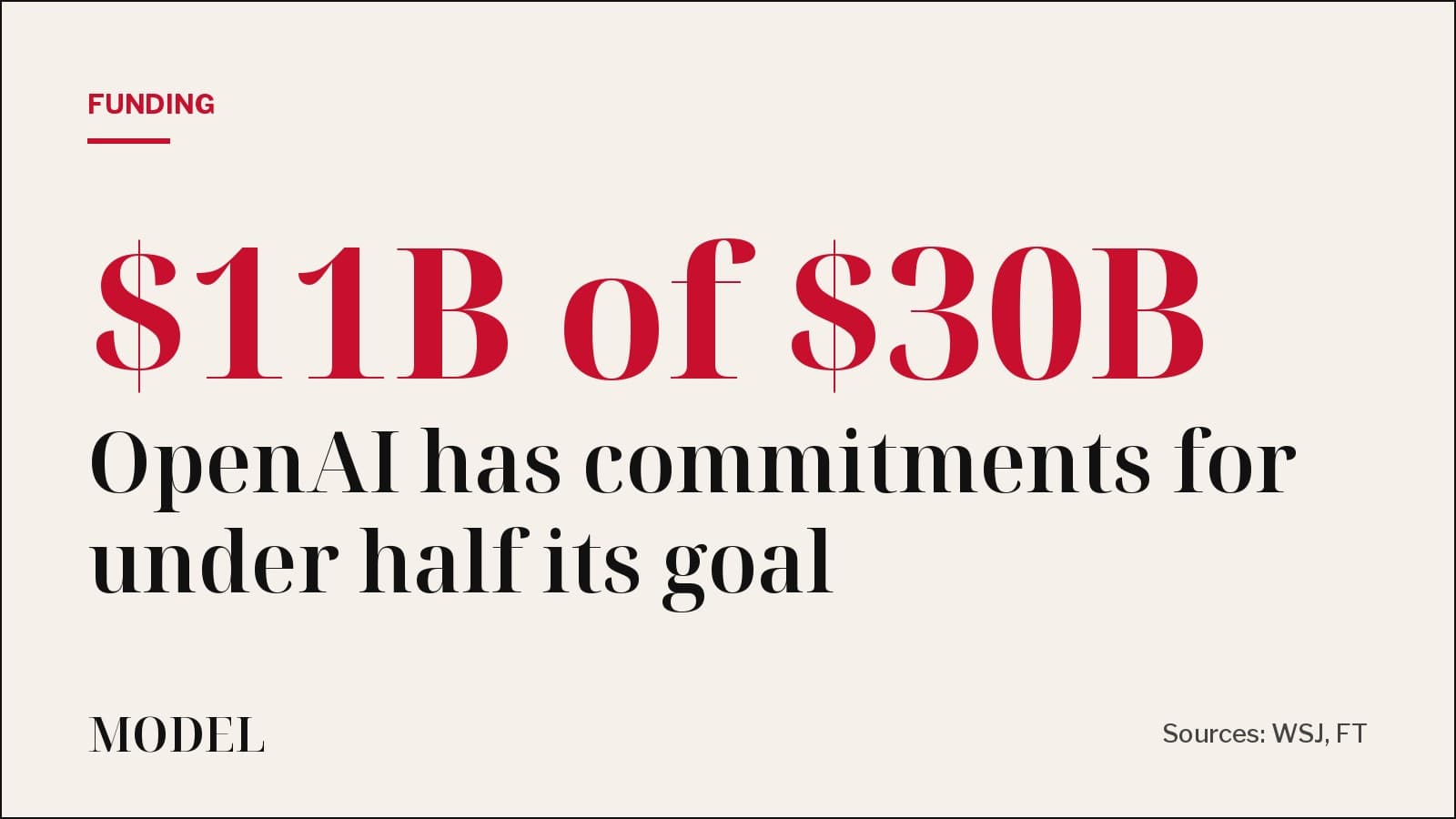
OpenAI wanted $30 billion. So far it has about $11 billion.
OpenAI has commitments for roughly $11 billion in its latest round, less than half its first target, at a $1.25 trillion valuation instead of $1.4 trillion, according to the Wall Street Journal. The Financial Times reports the goal is now about $20 billion.
· MODEL Editors
Funding
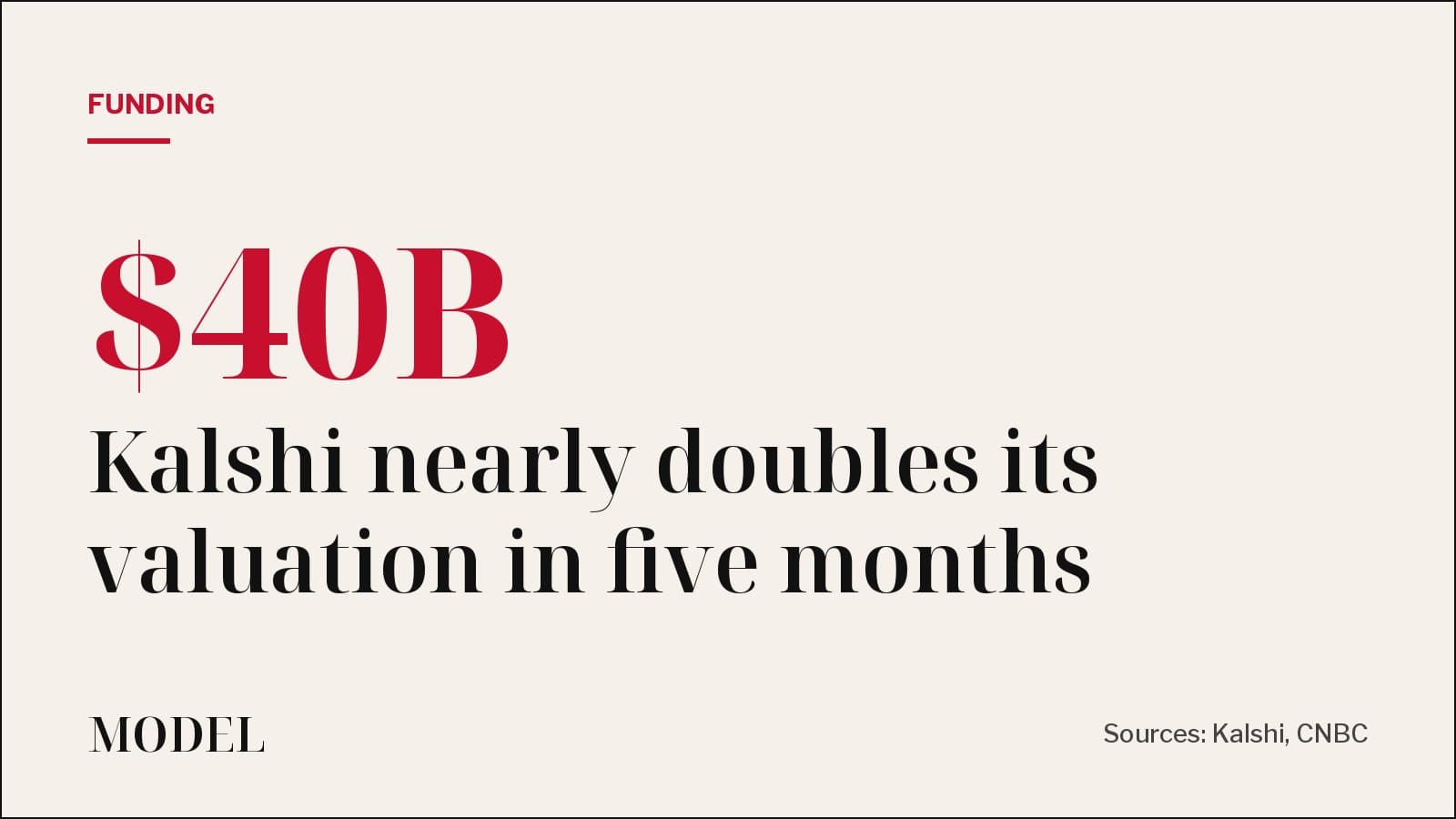
Kalshi raises $1 billion at a $40 billion valuation, up from $22 billion in May
The prediction-market company's Series G was co-led by Sequoia and Wellington. Kalshi says it will use the money for indices, single-stock perpetual futures and markets on the price of compute.
· MODEL Editors