OpenAI built Pando, a Git backend for agent-scale monorepos
SummaryOpenAI's engineering post: Pando is a new Git-compatible backend for its monorepo. Codex multiplied parallel branches and pushes; Pando cut median push latency by nearly 80% and now serves nearly a petabyte of Git data a day. Internal only — exploring ways to share, not a product you can install.
· MODEL Editors · 2 min read
Some links may be affiliate links. Disclosure
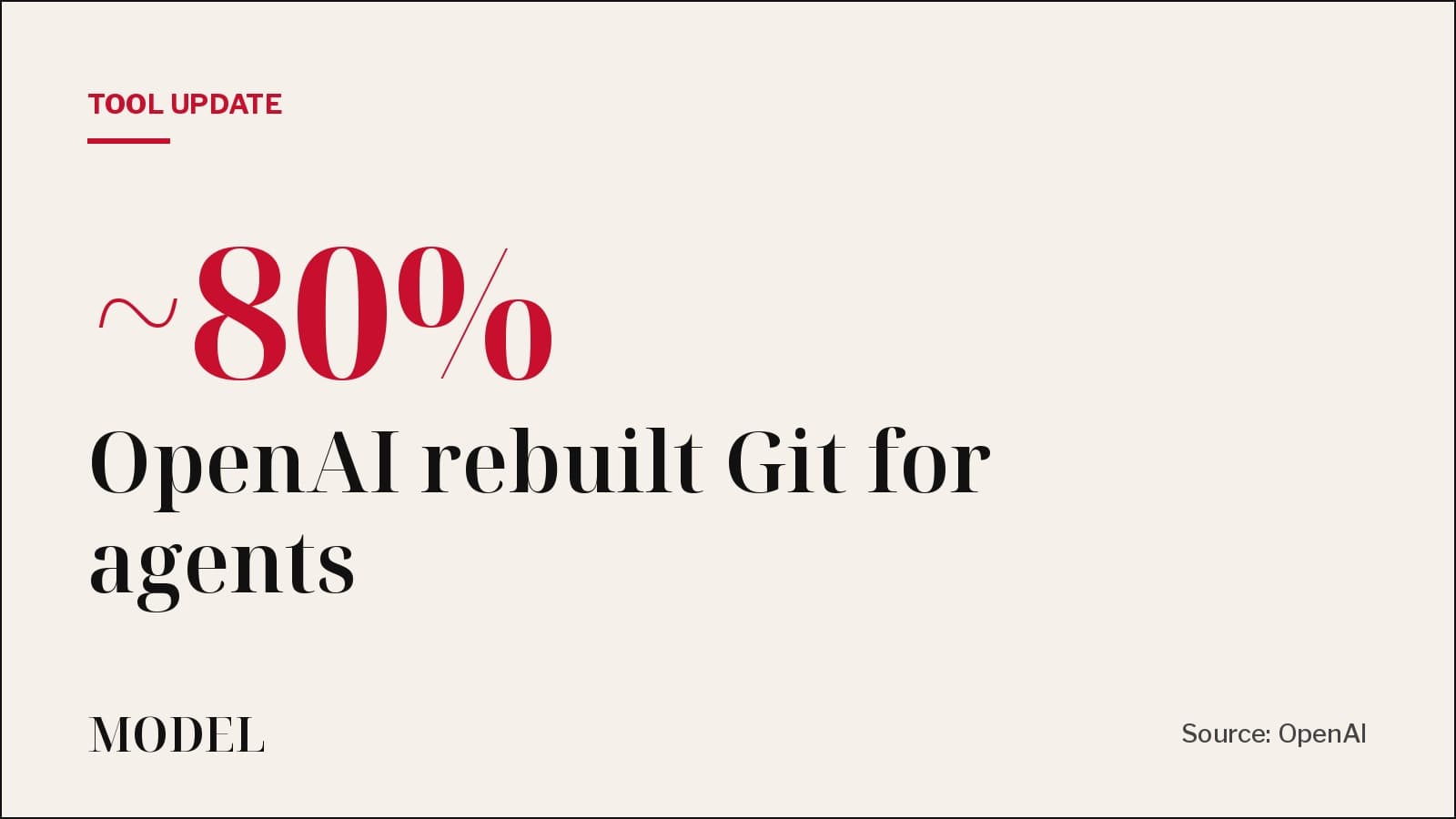
On November 2–3, OpenAI Developers (@OpenAIDevs) and OpenAI engineering published that the company built Pando, a new Git-compatible backend for its monorepo.
What Pando is. Per OpenAI's post by Aaron Friel, Taylor Blau, and Ted Nyman (Nov 2, 2026), Pando is a new backend for Git repositories that keeps the standard Git client and protocol. It now powers all development in OpenAI's monorepo. Engineers and agents keep using Git the same way; the backend changed underneath.
Why they built it. Codex multiplied parallel branches, pushes, fetches, and clones from development environments, research jobs, and CI. Starting around the end of last year, the systems behind the monorepo were struggling — slow fetches and pushes, failed merges, reliability at times below 90%. OpenAI wanted horizontally scalable writes (many concurrent pushes to different branches) and high read throughput without abandoning Git.
What it does in production. OpenAI says Pando cut median push latency by nearly 80% (the lede also frames that as nearly 5x faster — same claim). It now delivers nearly a petabyte of Git data a day, with more than 57 TB of Git packs in a single hour and more than 99% of those bytes from local disk cache. Design highlights they name: causal consistency across refs (not a repository-wide point-in-time snapshot), serializable updates per branch, reused packfiles, packfile-uri, and Express regional caches. Some client improvements were contributed upstream to Git.
How it was built. Kick-off to production in about 10 weeks. Designed by one engineer, implemented by teams of agents (Codex), deployed by a handful of engineers. Began serving production traffic in April of this year (2026), first as a read- and write-through proxy, then as the main path.
Who it's for (today). OpenAI engineers and Codex agents working in that monorepo. For MODEL readers: anyone building agent fleets that are already hitting Git push/fetch limits at monorepo scale — this is the architecture OpenAI chose when reliability dipped under agent load.
The catch. Pando is internal. OpenAI says it is "exploring ways to share the technology" — it is not a public product users can install today. MODEL has not tested Pando. Not investment advice.
MODEL Editors
Sources
- OpenAIDevs on X: We built Pando, a new Git backend for our monorepo (Nov 2, 2026)
OpenAI Developers on X
- Scaling Git at OpenAI
OpenAI
FREE · EVERY WEEK
The top AI tools this week, tested.
Every week MODEL's editors pick the AI tools worth your time, try them hands-on, and tell you what's good, what's not, and who it's for. Free, in your inbox.
Free. Unsubscribe anytime. Our picks are editorial and can't be bought.
Continue
AI News
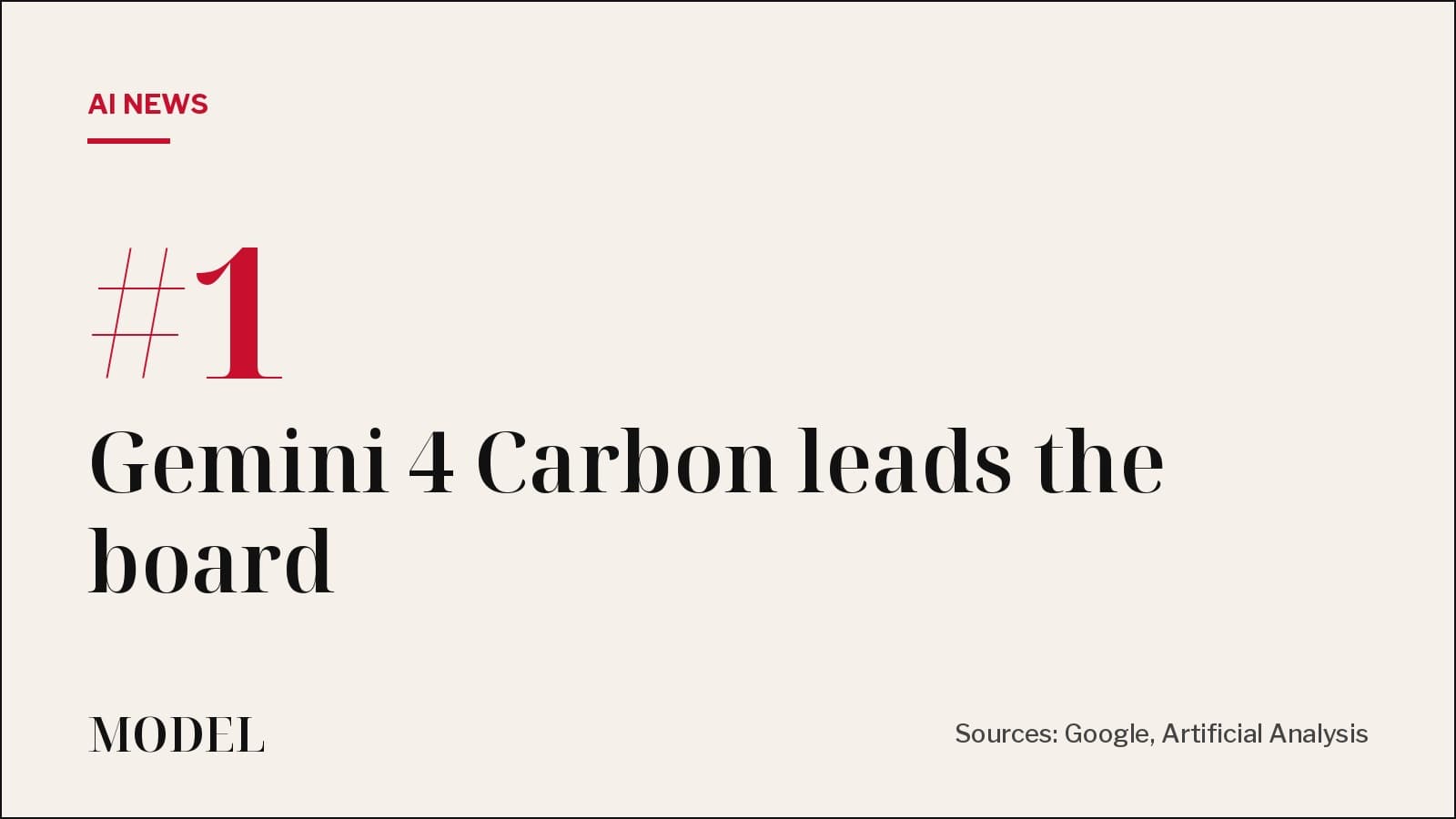
Google's Gemini 4 Carbon is #1 on the big intelligence board. You still can't use it.
Carbon (high) scores 59 on Artificial Analysis Intelligence Index v5 — ahead of Opus 5.5 max and GPT-6 Astra max. Access is Fairwind / cyber-defender only for now. Not tested by MODEL.
· MODEL Editors
AI News
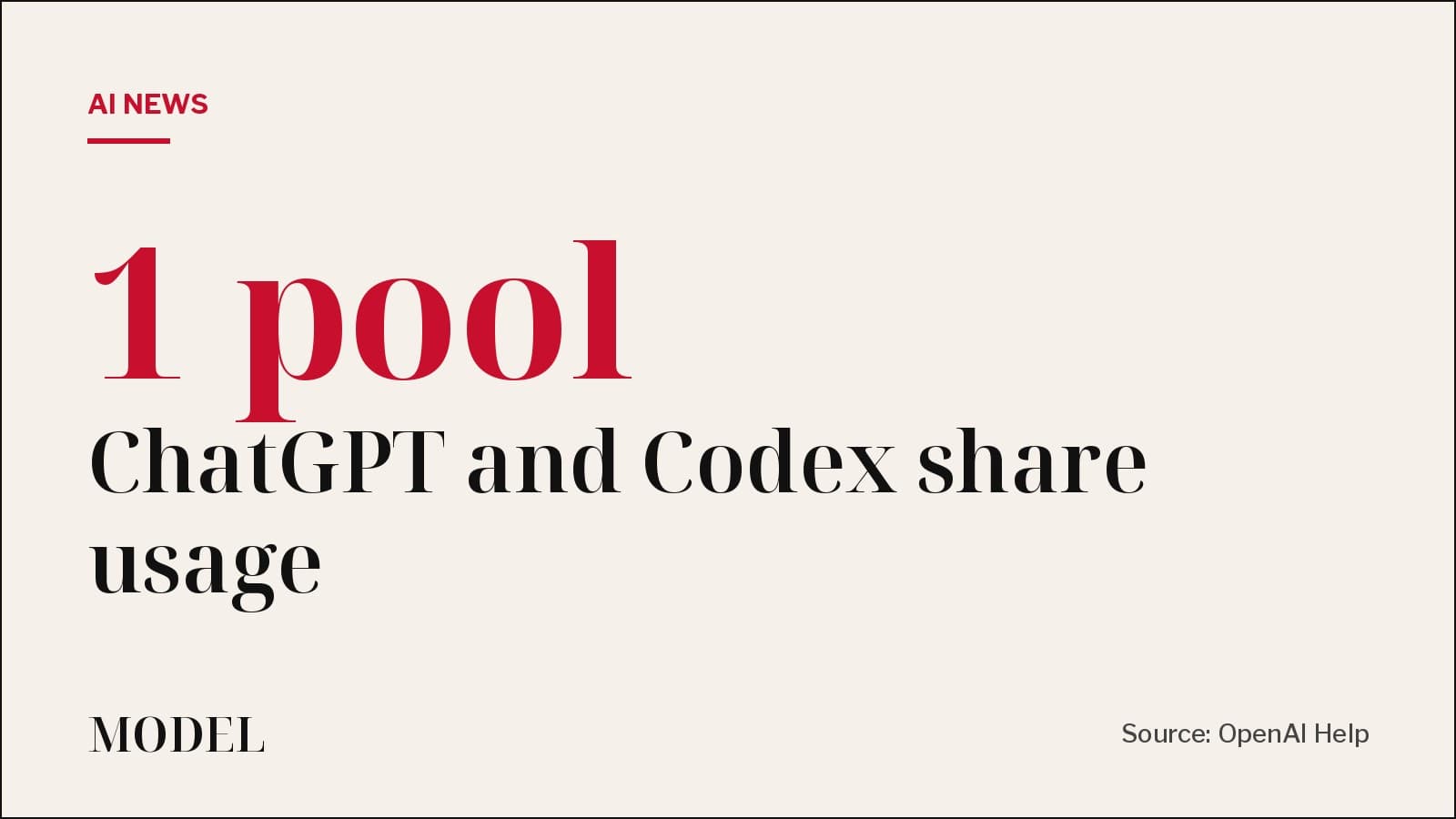
OpenAI is putting ChatGPT and Codex on one shared usage pool in December
Starting in December, Plus, Pro, and Business plans share one token allowance across ChatGPT and Codex. Instant chat is exempt. Separately, card and device limits are closing multi-subscription workarounds. Not tested by MODEL.
· MODEL Editors
Tool Update
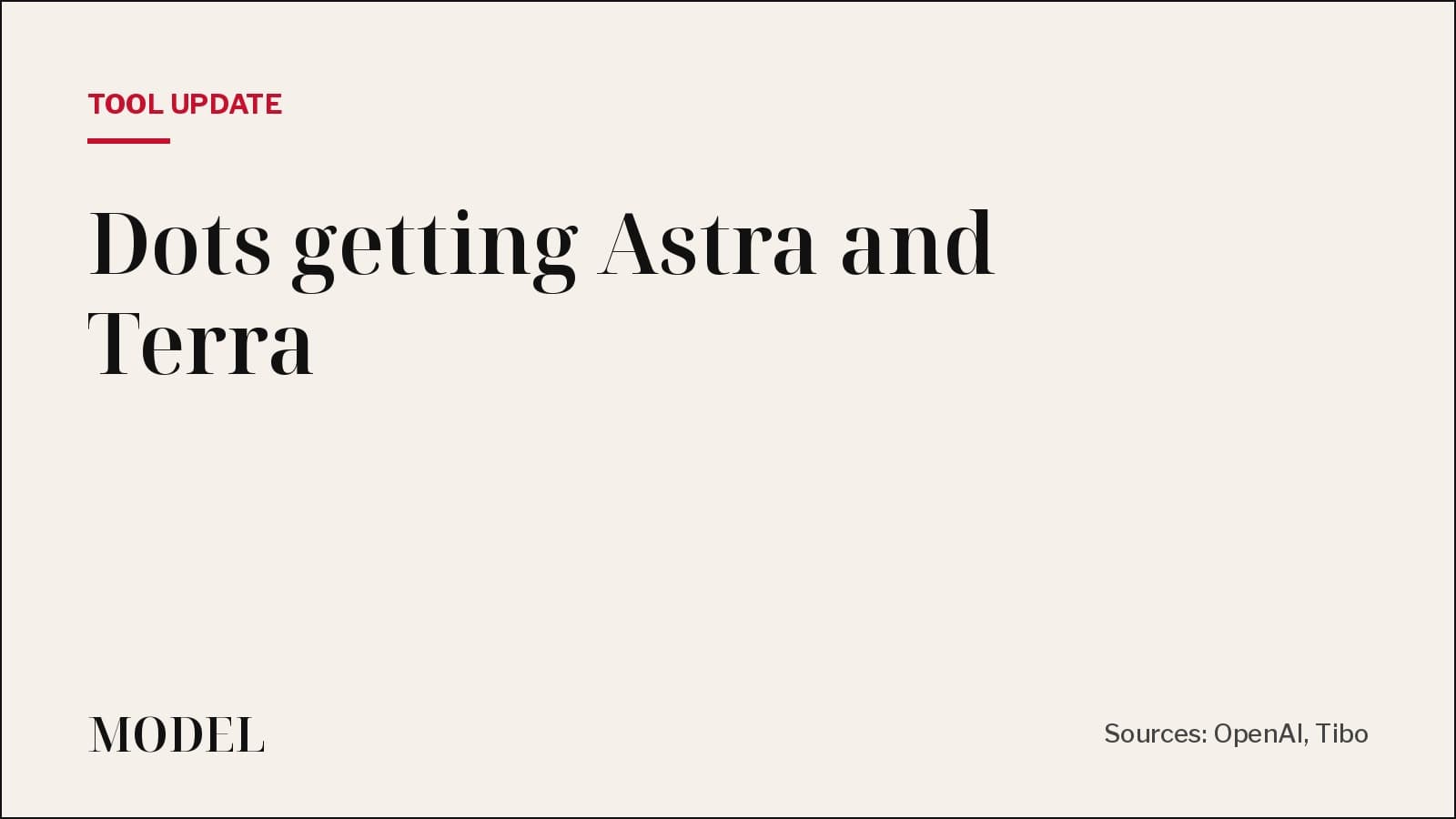
OpenAI's Tibo: dots are getting GPT-6 Astra, GPT-6.1 Terra, and more
OpenAI's Tibo Sottiaux said the team is expanding the frontier models that power ChatGPT dots beyond today's Astra-only setup, adding GPT-6.1 Terra for speed and personality so more people can get a dot. Your dot will pick the model. It hasn't shipped yet.
· MODEL Editors