The internet can now send smells. It knows five, and they're an office party
SummaryOhio State and Zhejiang Lab researchers built Scentronic: an AI e-nose that recognizes a smell, sends its name over the internet, and a wearable that sprays the matching scent on the other end. The catalog is coffee, beer, red wine, cake and orange.
· MODEL Editors · 2 min read
Some links may be affiliate links. Disclosure
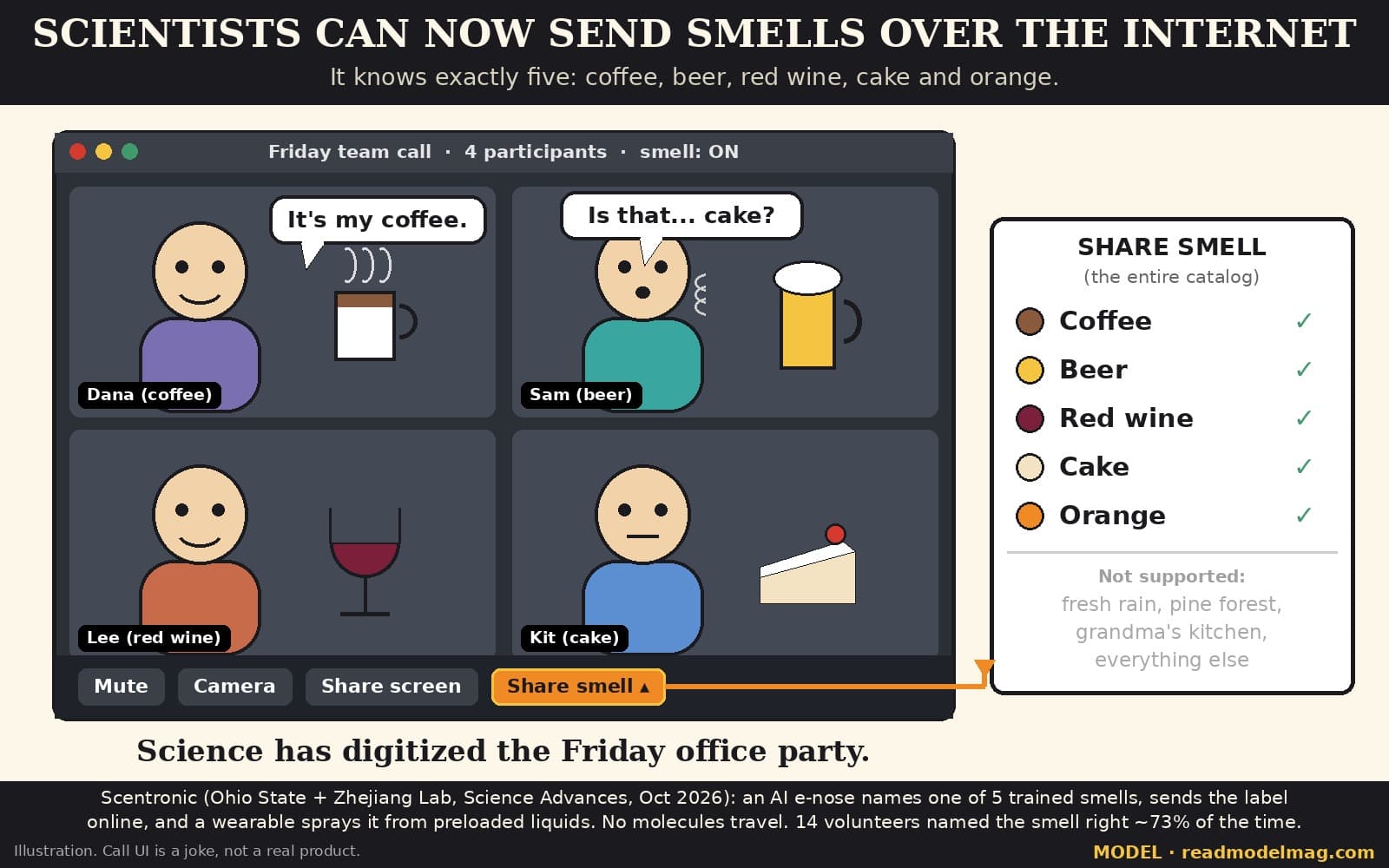
We can send pictures, voice and video anywhere in under a second. Smell has been the missing one. This week a team from The Ohio State University and Zhejiang Laboratory in Hangzhou published a working answer in Science Advances. It's called Scentronic, and its entire catalog is coffee, beer, red wine, cake and orange. Science has, in other words, digitized the Friday office party.
How it works. On the sending side, an "e-nose" (six off-the-shelf metal-oxide gas sensors around a sample) reads the mix of vapors coming off the food. A simple machine-learning classifier (the best was k-nearest neighbors) decides which of the five trained smells it is. On the held-out test set it got all of them right, but that test used one brand of each item, 250 samples in total.
The result goes over Wi-Fi to a small program on a Google Cloud server, which passes it to the receiver in about 65 milliseconds on average. The receiver is a tiny piezoelectric atomizer that sprays a preloaded scented liquid, built as a two-channel wristband, a five-channel handheld or a five-channel necklace. The team also built a "digital cup" that drops matching flavor into water, and hooked it to a Meta Quest 3 so grabbing a virtual beer in mixed reality makes the cup smell and taste of beer.
What it does not do. No smell actually travels. The internet carries a label ("coffee"), and the receiver can only play scents it already holds. The paper says so plainly: odors are "classified at the category level and reconstructed through preloaded odor channels, rather than reproduced with full chemical compositional precision." Send it fresh rain and it has nothing to say.
Did people smell the right thing? Mostly. 14 volunteers, briefed on the five smells first, picked the right one from a multiple-choice list 72.86% of the time, and named both parts of a two-smell mix 71.43% of the time. Ranking five strengths of an alcohol smell was harder: 58.57%. The authors add that the experiments "are relatively simple and include limited control conditions, which may introduce bias."
Why build it. The main pitch is medical: testing people's sense of smell remotely, for example after COVID-related smell loss, instead of using scratch-and-sniff cards in a clinic. The team also points to VR, online shopping and long-distance chats. The handheld runs about 5 hours sending one smell and about 1 hour with all five channels going.
Our take. The fun part is real: an AI nose recognizes a smell and a gadget on the other side of the world plays it back. The network hop takes about 65 milliseconds; recognizing a food smell in real time took the team several to tens of seconds. The limit is also real: it's a five-button scent jukebox, not a smell camera. Until the catalog grows, every remote party will smell like the same office party.
Not sponsored. MODEL has not tried the device; this is a research prototype described in the paper.
Sources
- Scentronic: An artificial intelligence-assisted olfactory interface for remote odor sharing and transmission (Science Advances 12, eaee9266, Oct 22, 2026)
Science Advances
- Digital scents could add a new dimension to virtual worlds
New Scientist
- New 'Scentronic' technology can detect and transmit aromas remotely (Reuters)
CNA / Reuters
- Something smells different as scientists send aromas over the internet
Tech Xplore
FREE · EVERY WEEK
The top AI tools this week, tested.
Every week MODEL's editors pick the AI tools worth your time, try them hands-on, and tell you what's good, what's not, and who it's for. Free, in your inbox.
Free. Unsubscribe anytime. Our picks are editorial and can't be bought.
The weekly three is editorial. A subscription does not buy a place in it.
Continue
Security
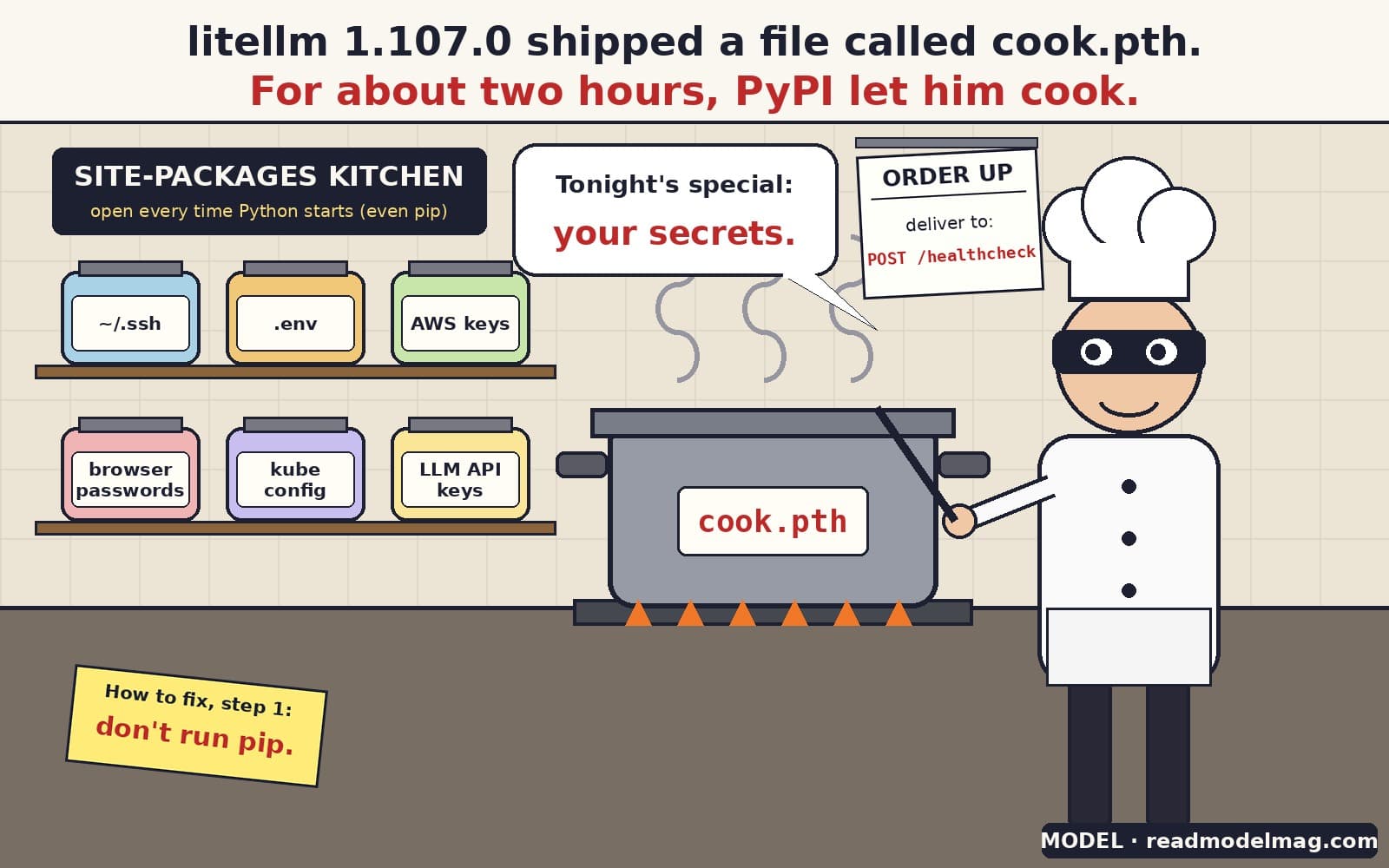
LiteLLM 1.107.0 shipped a file called cook.pth. It stole credentials.
For about two hours on October 21, the litellm package on PyPI carried a credential stealer that runs every time Python starts, even when you run pip. If you installed 1.107.0 or pulled a floating Docker tag that morning, treat the machine as compromised and rotate everything it could reach.
· MODEL Editors
Security
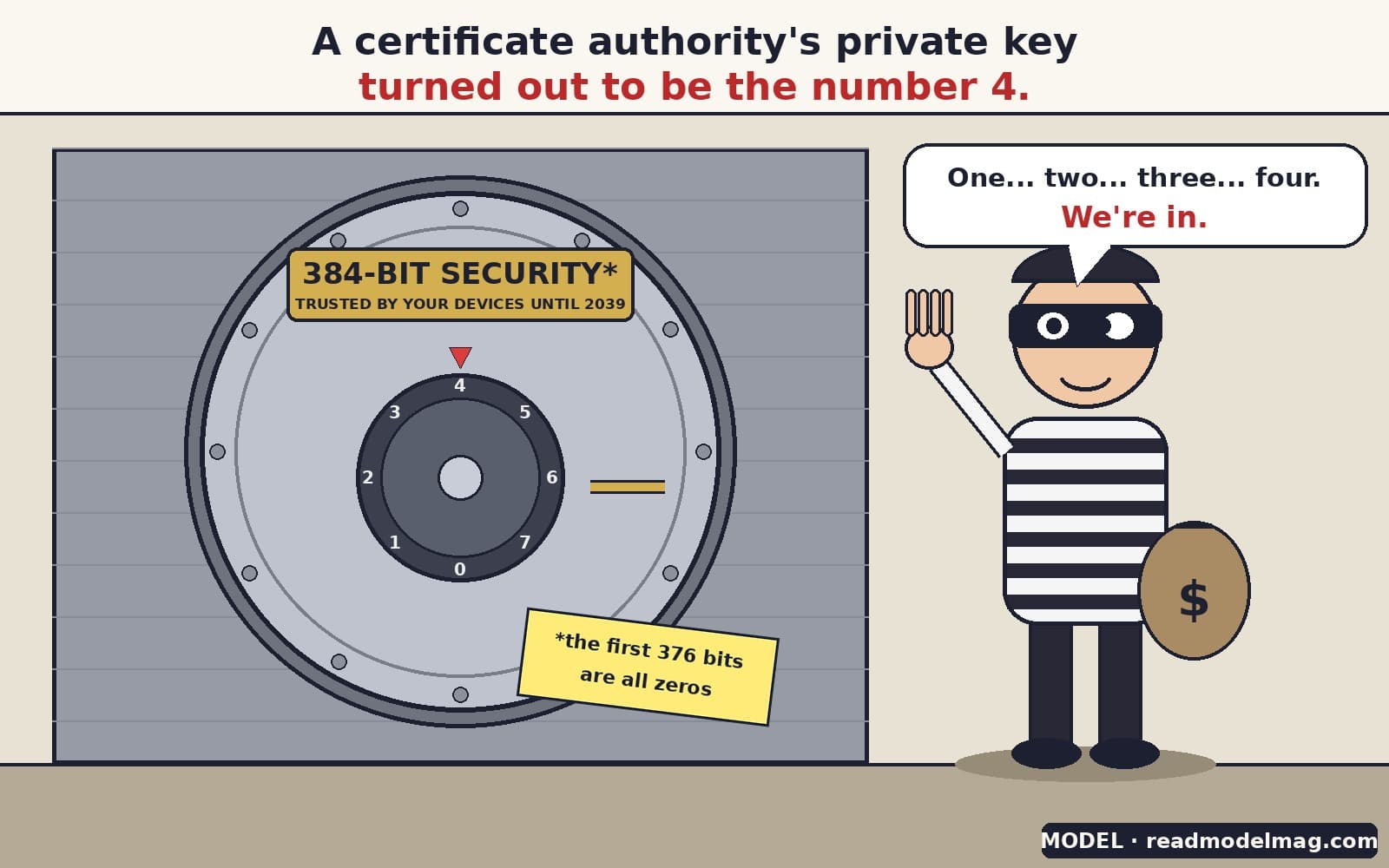
A certificate authority's private key turned out to be the number 4
Eight eMudhra intermediate certificates, trusted by Chrome, Firefox, Apple and Microsoft, had private keys smaller than 256. Browsers blocked them within hours. Software that doesn't check revocation needs a CA bundle update.
· MODEL Editors
Tech
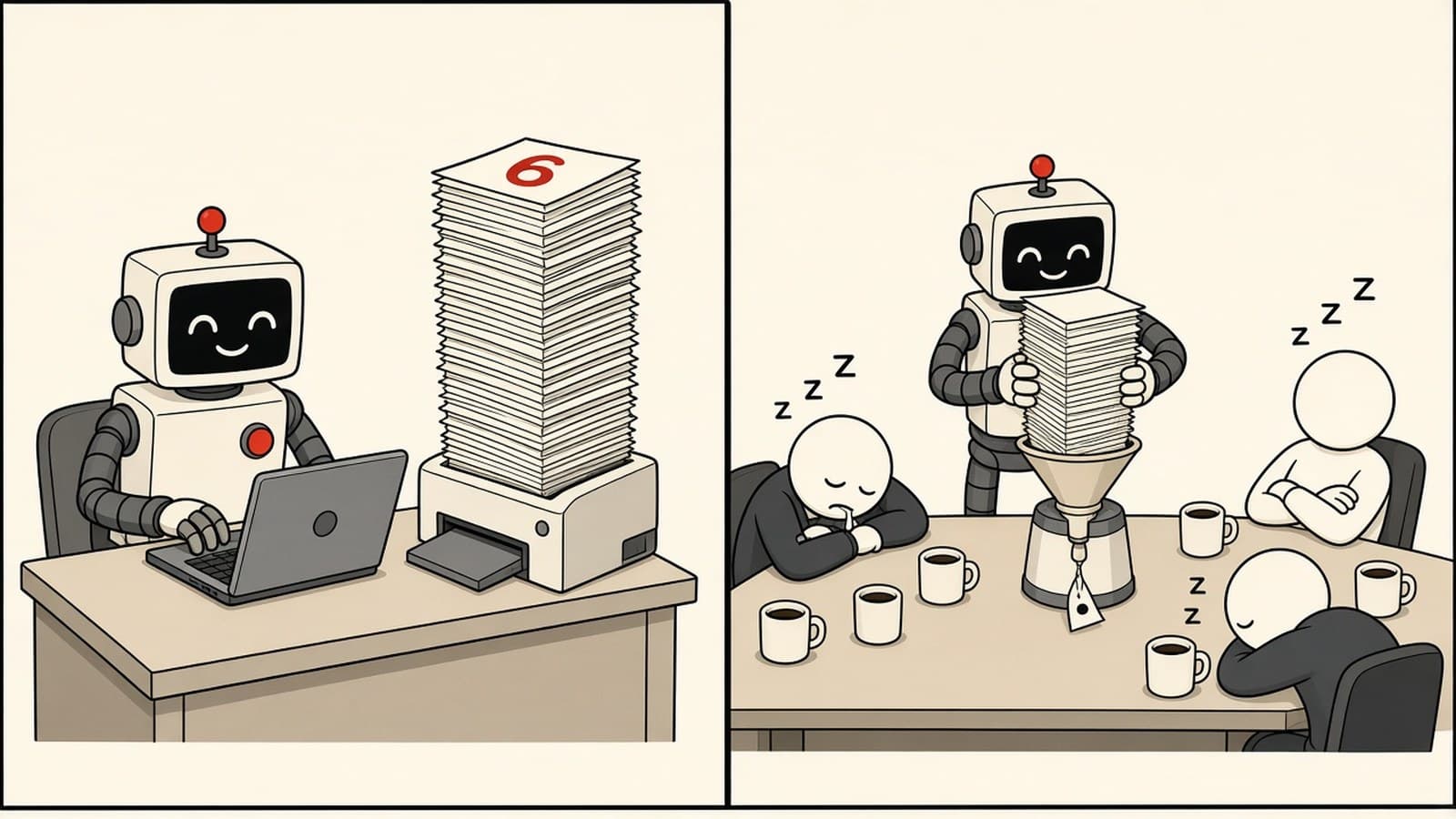
AI wrote the memo. AI read the memo. Then everyone had the meeting.
A longtime Amazon insider says the company's famous six-page memos are now often AI-written, and some readers have started tagging them "AI;DR": AI, didn't read.
· MODEL Editors