Gemini 4 Neon is out, and in Antigravity it manages Hydrogen
SummaryGoogle's Nov. 18 model sits between Carbon and Hydrogen at $3/$15 per million tokens. In Antigravity, Orchestrator can now pair Neon as planner with Hydrogen as executor. Not tested by MODEL.
· MODEL Editors · 2 min read
Some links may be affiliate links. Disclosure
What launched. On Wednesday, Nov. 18, Google introduced Gemini 4 Neon (opens in a new tab), the newest model in the Gemini 4 family. Google's Antigravity team (opens in a new tab) places it between Gemini 4 Carbon, for the deepest long-horizon projects, and Gemini 4 Hydrogen, for fast everyday work. Three days later, developers on X are still trading side-by-side coding tests.
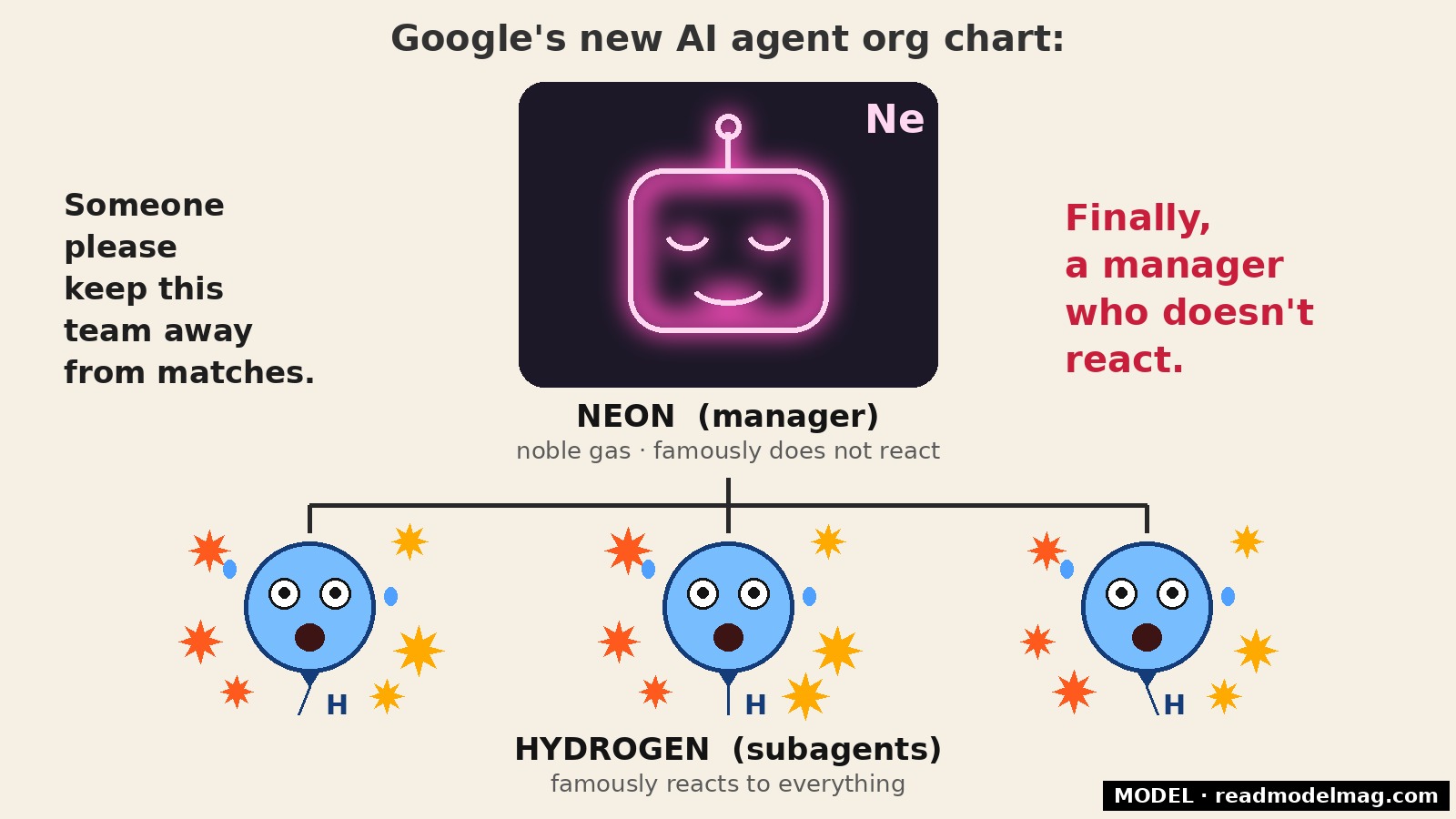
The org chart. In Google Antigravity, Orchestrator now supports pairing Neon as the planner with Hydrogen as the executor in one session. Google says Orchestrator uses Neon for upfront planning, architecture and complex reasoning, and hands routine code edits, package updates and test runs to Hydrogen. Google's launch post describes Neon acting as an Orchestrator "directing parallel Hydrogen subagents."
Why that's funny. Neon and hydrogen are also elements. The Royal Society of Chemistry's periodic table says neon "will not react with any other substance" (opens in a new tab) and calls hydrogen a "highly flammable gas" (opens in a new tab). So Google's new manager is a famously calm gas, and its team is a famously reactive one. We'll take it.
What Google says it does. All of these numbers are Google's:
- Scores 61 on the Artificial Analysis Intelligence Index at its top "xhigh" thinking level, #3 overall by Google's count.
- Ranks #1 on the Artificial Analysis Coding Agent Index (58.6) and on Zapier's AutomationBench (56.3%).
- Takes up to 1 million tokens of context, with four thinking levels.
- At its default "high" thinking level, Google's Antigravity team says Neon costs 32% less per task than Carbon.
The price and where to get it. Google lists Neon at $3 per million input tokens ($0.15 for cached input) and $15 per million output tokens. It is rolling out in the Gemini API in Google AI Studio, in Gemini for business, for paid Google AI Pro and Ultra subscribers in Antigravity, and for Pro and Ultra subscribers in the Gemini app.
Our take. If you already run Hydrogen agents in Antigravity, the Neon-plans, Hydrogen-executes setup is the thing to try: it targets the expensive part (planning) with the bigger model and keeps the cheap, repetitive steps on the faster one. Measure cost per finished task, not cost per token. Every benchmark above comes from Google, and we haven't tested it.
Not tested by MODEL. Not sponsored. -- MODEL Editors
Get three tested tools every Friday
Free, weekly. Unsubscribe anytime.
Sources
- Introducing Gemini 4 Neon
Google (blog.google)
- Gemini 4 Neon in Google Antigravity
Google Antigravity Blog
- Release notes - Gemini API
Google AI Studio
- Neon - Element information, properties and uses
Royal Society of Chemistry
- Hydrogen - Element information, properties and uses
Royal Society of Chemistry
Keep reading
Builder tip
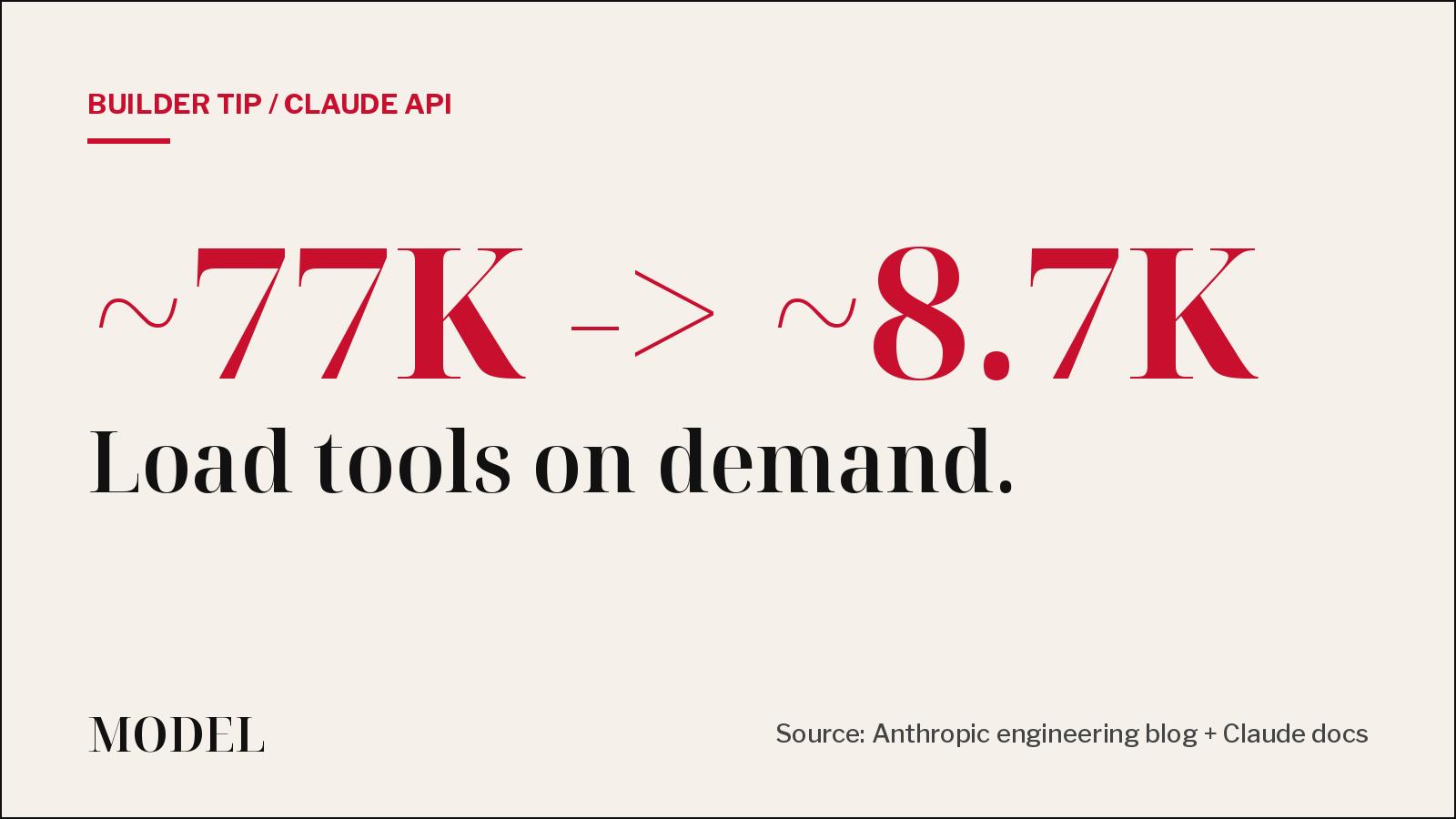
Your agent doesn't need all 58 tools in context. Defer them.
A thread calling Anthropic's tool-use write-up a new paper is going around X this weekend. It is a year old, and the advice still holds: mark most tools defer_loading and let Claude search for the few it needs.
· MODEL Editors
Hot take
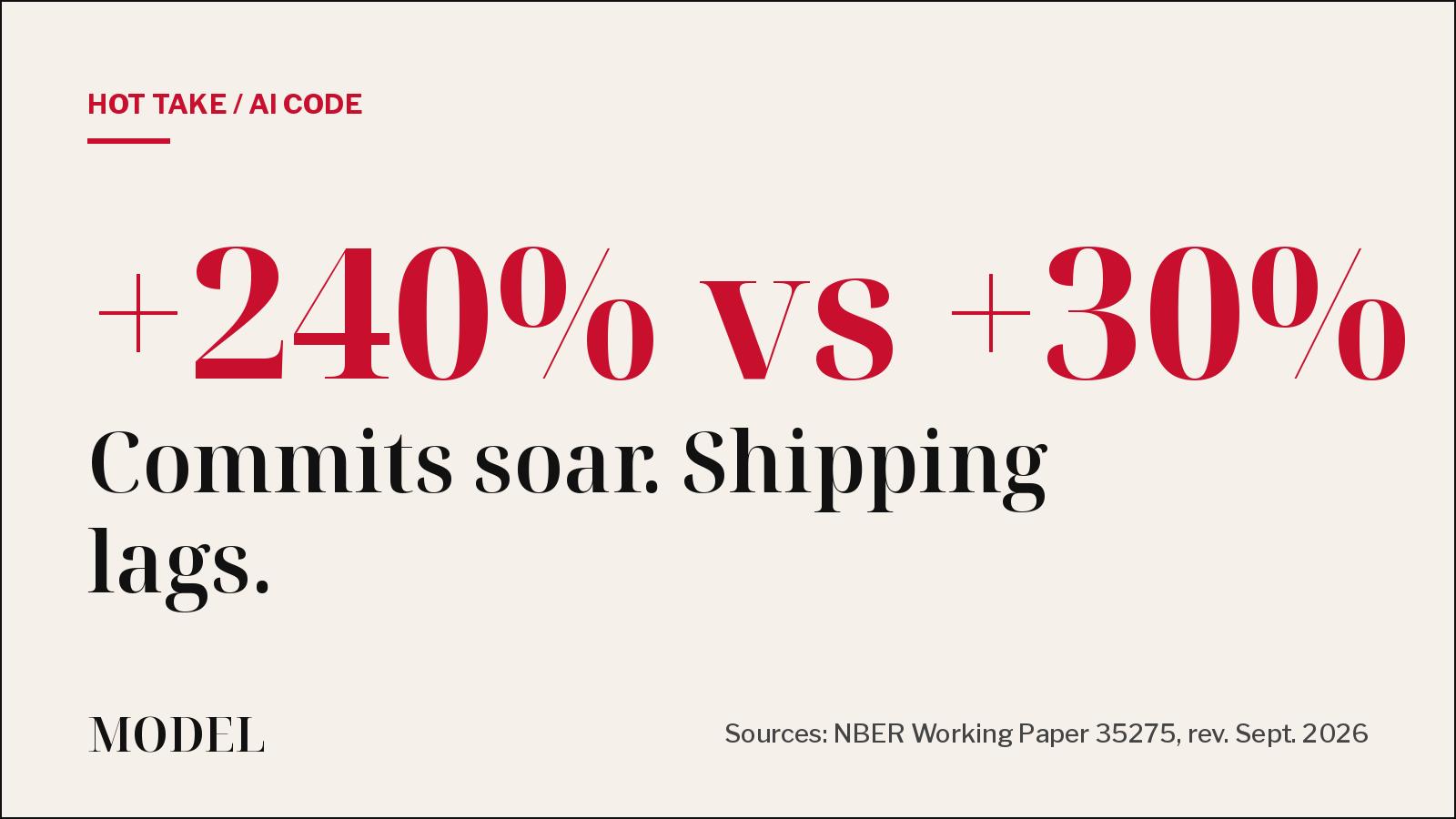
AI agents more than tripled commits. Releases rose 30%.
An NBER working paper that tracked more than 500,000 GitHub developers finds AI coding tools add huge amounts of code, but much less of it ships. It is circulating again this weekend. Our take: the bottleneck is now review, not typing.
· MODEL Editors
Tools
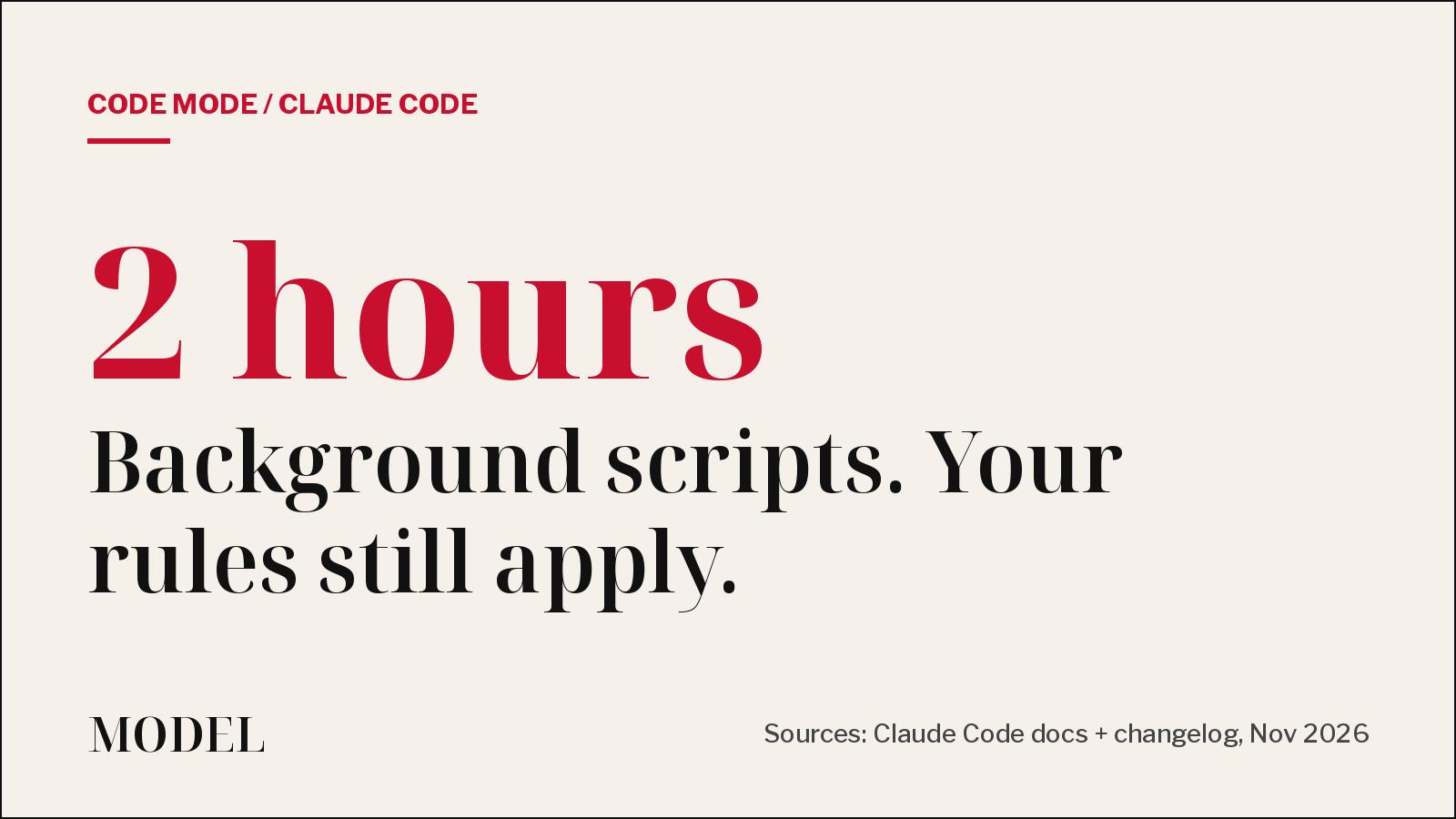
Claude Code's Code Mode reaches the stable channel: what it does, and the catch
Code Mode has Claude write JavaScript that runs several tool calls in one step, including background scripts for up to two hours. A week after launch, the stable channel has caught up.
· MODEL Editors

The test
AWS Emulator 1.0.523, tested: a local AWS that refused what it should, and one old-CLI call that went to the real thing
We ran AWS's free local emulator on Linux with no AWS account and no real keys. S3, SQS and DynamoDB worked, it was up in 0.23 seconds, and it enforced the three permission checks we tried. The catch: AWS CLI v1 sent one SQS call to the real AWS endpoint.
· MODEL Editors
FREE · EVERY WEEK
The top AI tools this week, tested.
Every week MODEL's editors pick the AI tools worth your time, try them hands-on, and tell you what's good, what's not, and who it's for. Free, in your inbox.
Free. Unsubscribe anytime. Our picks are editorial and can't be bought.