Ladybird alpha, tested: a browser engine built from scratch loaded every site we tried
SummaryLadybird, the independent browser with its own engine, shipped its first alpha today for macOS and Linux. We ran version 2026.47.7 on our Linux test box, drove it with WebDriver and loaded seven sites, including this one. Here is what worked and what is still missing.
· MODEL Editors · 2 min read
Some links may be affiliate links. Disclosure
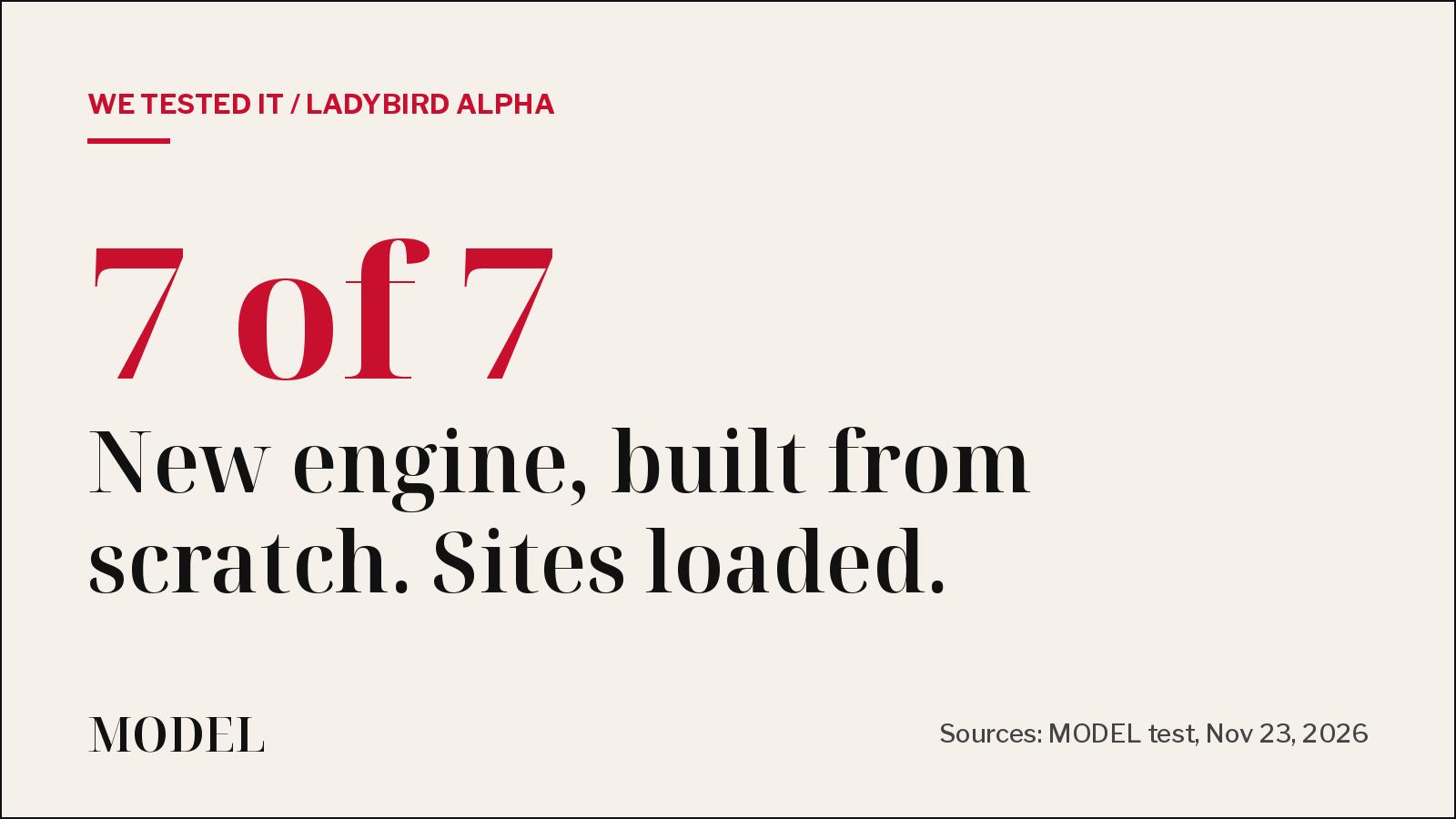
What it is. Ladybird is a web browser with its own engine, written from scratch and not a fork of Chromium, Gecko or WebKit. It is backed by a non-profit and funded by donations and sponsors. Today, Nov. 23, the project released its first alpha for macOS and Linux. The announcement is upfront: "some websites won't work, and it will crash sometimes," and "we make no promises about security today." It also says the alpha supports WebDriver for automated testing, and asks web developers to try their own sites.
What we ran. On Nov. 23 we downloaded version 2026.47.7 from Ladybird's Ubuntu 24.04 package (82.8 MB, checksum matched the repository index) and unpacked it, without installing anything system-wide, on our Linux test box (Debian 13, x86_64, no GPU). Debian is not on the official list, but every library resolved. We ran it headless only: no window, no logins, no AI model.
- Seven sites, seven loads. Headless full-page screenshots of readmodelmag.com, Hacker News, GitHub, Wikipedia, vercel.com, X and YouTube all finished, about 4.6 to 5.6 seconds each including the delay we set, and looked right at a glance. Our own homepage and a story page kept their fonts, layout and images.
- WebDriver works. Using plain W3C WebDriver calls, a new session opened in 194 ms. We navigated, found a button, clicked it twice, ran sync and async scripts (the page counted 2 clicks), got a proper "no such element" error for a missing selector, and took a screenshot.
- Modern CSS and JS are there. Our feature probes found
:has(), container queries, CSS nesting, anchor positioning,@scope, Temporal, the Navigation API, WebAssembly and WebGL2. - The catches. No WebGPU and no MediaRecorder.
document.startViewTransitionis missing unless you launch with--expose-experimental-interfaces, even thoughCSS.supports('view-transition-name: a')says yes. So a CSS feature check would get it wrong. - It says it's Chrome. The user agent includes
Chrome/153.0.0.0next toLadybird/2026.47.7, so sites that sniff the UA will treat it as Chrome.
What we did not test. Video playback, logins and forms, the desktop window, auto-updates, the crash reporter, the Firefox DevTools server, macOS, speed against other browsers, and security.
The MODEL verdict. For an alpha of a brand-new engine, it held up far better than we expected. Don't make it your daily browser yet, since the project itself makes no security promises. But if you ship websites, add it to your test runs now. The WebDriver support makes that a short job.
Tested by MODEL Editors on Nov. 23, 2026 with Ladybird 2026.47.7. Not sponsored. No affiliate links. MODEL has no relationship with Ladybird.
Get three tested tools every Friday
Free, weekly. Unsubscribe anytime.
Sources
- Ladybird is now in alpha
Ladybird
- Ladybird alpha (release 2026.47.7)
GitHub, LadybirdBrowser/ladybird
- Ladybird release manifest
Ladybird
Keep reading
Hot take
Your coding agent can't leave working code alone
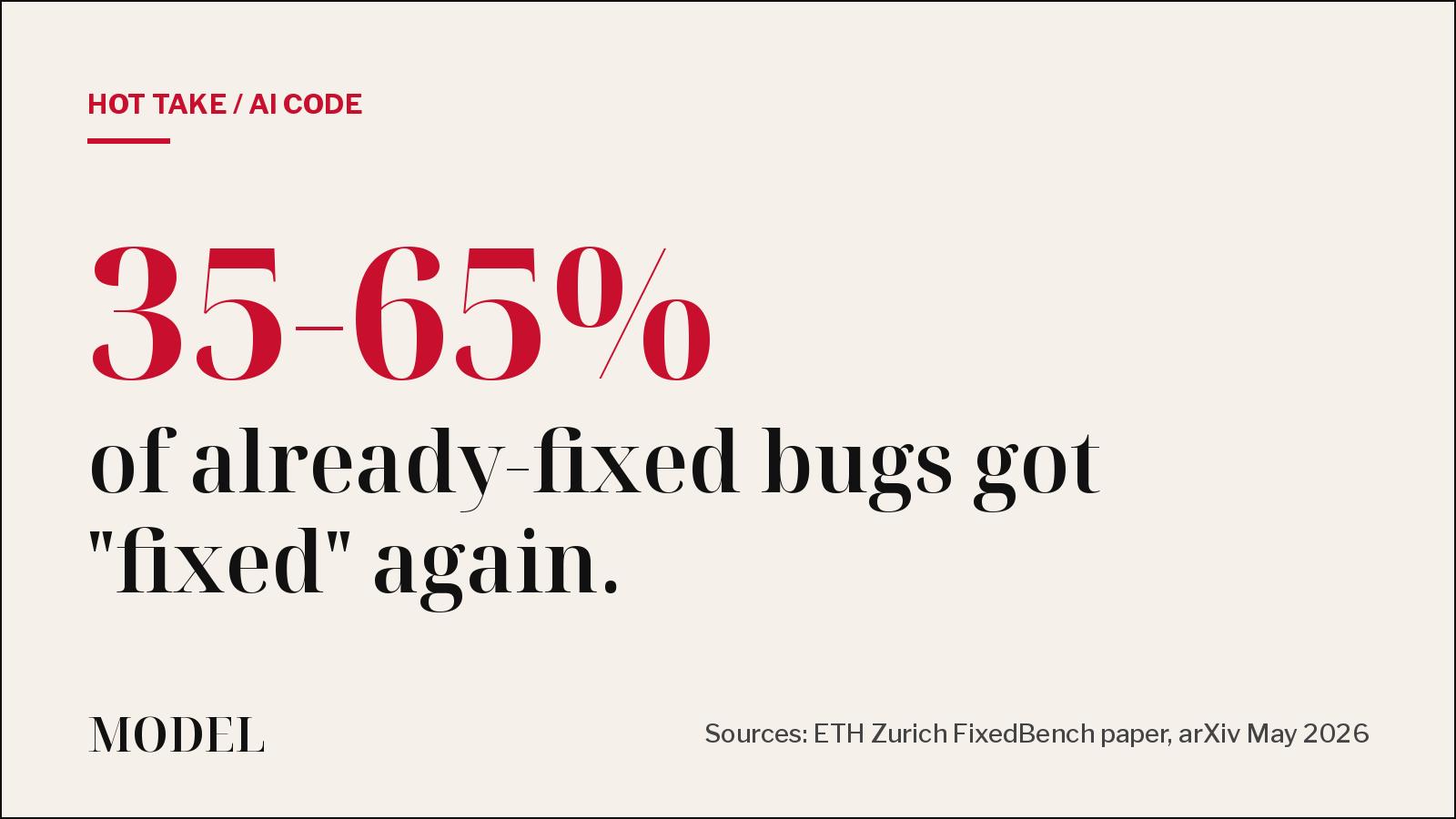
ETH Zurich's FixedBench handed coding agents 200 bug reports that were already fixed. They still edited the code in 35% to 65% of cases. A better prompt helps, with a catch. Our take: make 'nothing to fix' a valid answer, and read every diff.
· MODEL Editors
Google Antigravity
Google Antigravity now renders MCP Apps: tool results as live panels
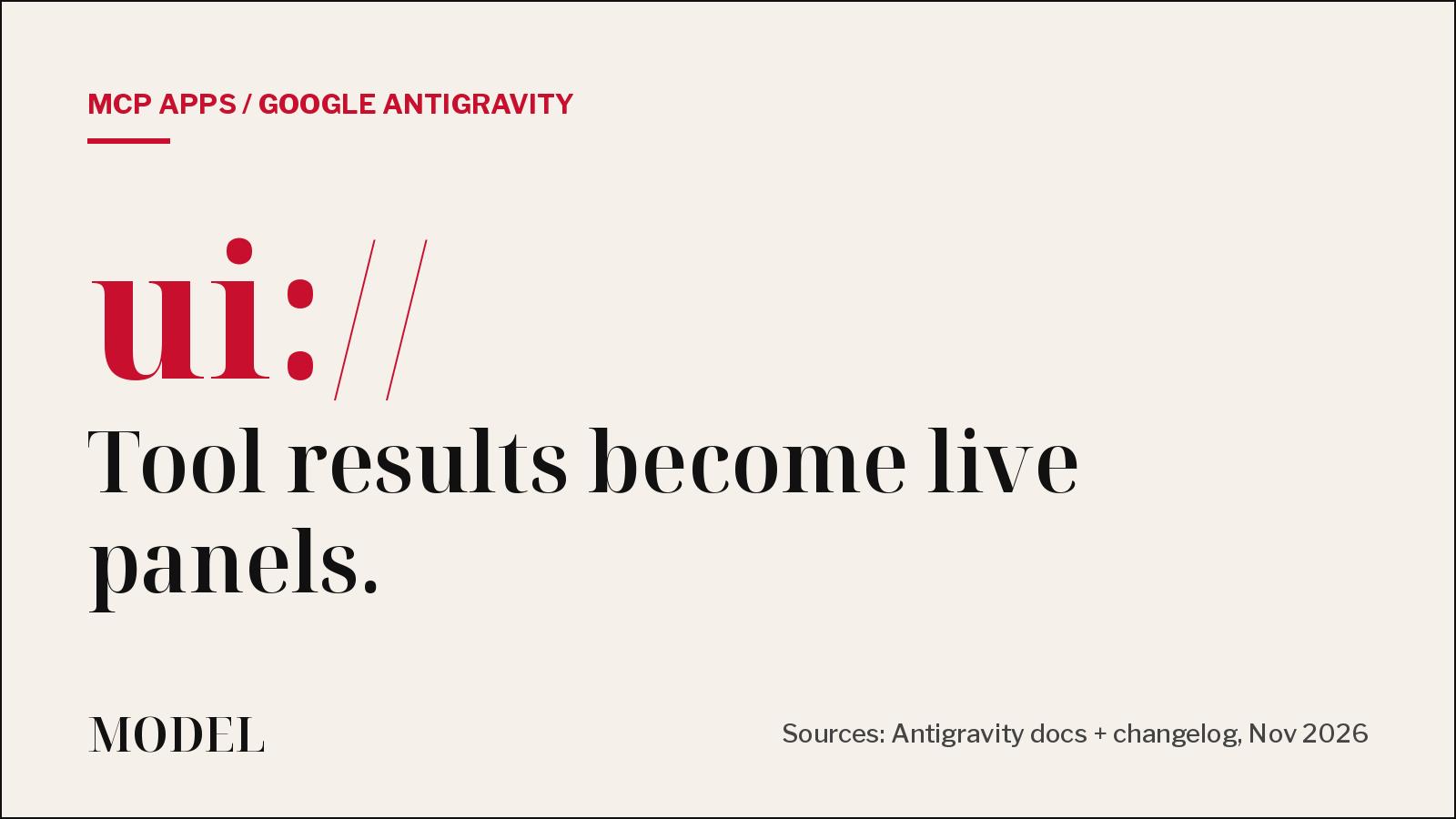
Antigravity's desktop app can show interactive views from MCP servers inline in chat, in a side panel, full-page or as a custom file viewer. You need a plugin or server that ships the UI, and Google's changelog ties it to eligible paid plans. Not tested by MODEL.
· MODEL Editors
The test
Ternary Bonsai 2.5 27B, tested: a 27B model ran on our CPU-only box, and tool calls worked
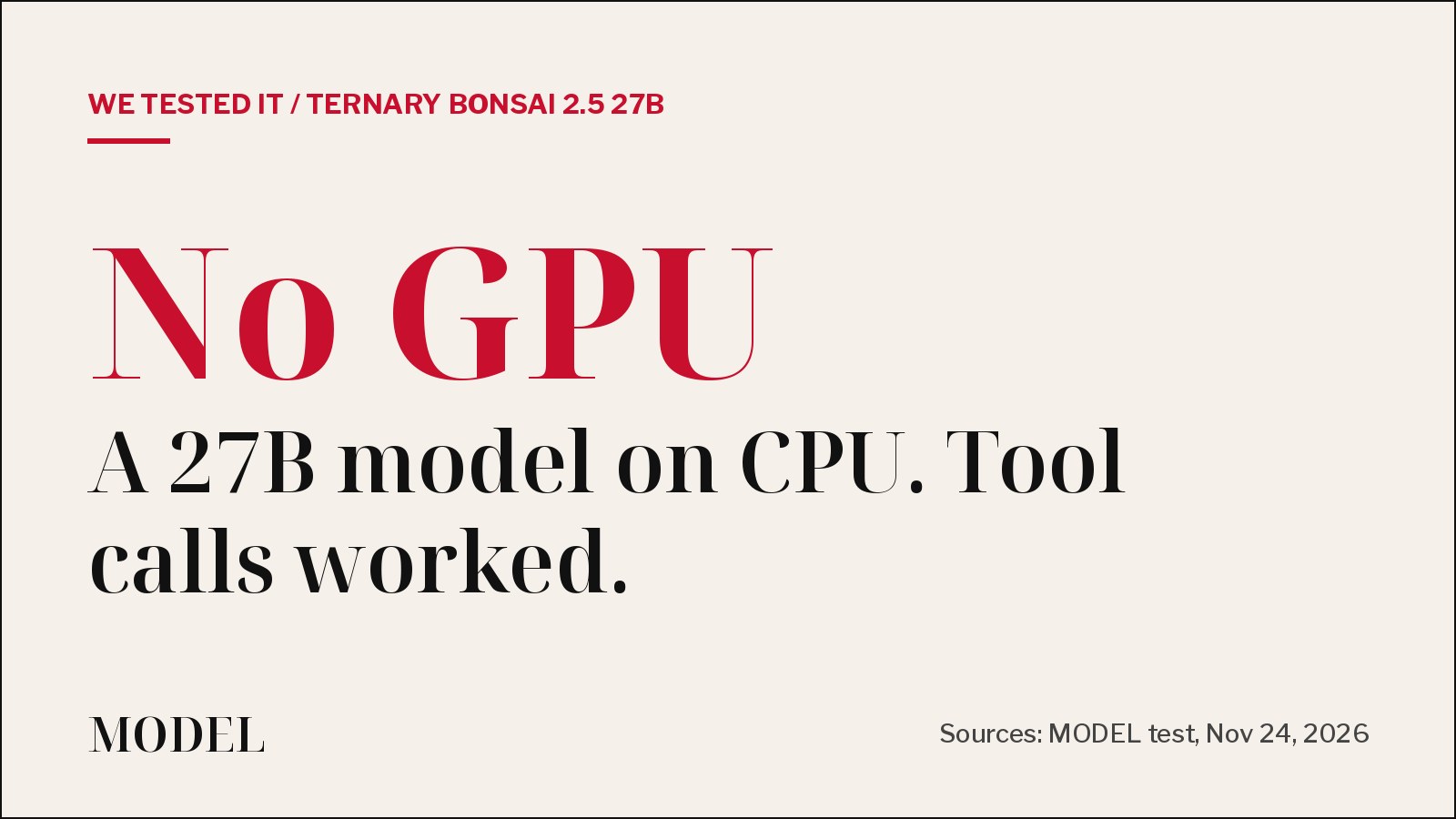
PrismML released Ternary Bonsai 2.5 27B today, a ternary-weight model built for agents. We ran it on stock llama.cpp on our Linux test box with no GPU. Here is what worked, how fast it was, and the catch in the 5.9 GB headline.
· MODEL Editors

Supabase
Supabase opens a Knowledge Base built for developers and their coding agents
Supabase's new /kb gathers migration guides, troubleshooting articles, FAQs, tutorials and community guides in one place, with a Markdown version of every page for AI agents. Some of it is Supabase comparing itself to rivals. Not tested by MODEL.
· MODEL Editors
FREE · EVERY WEEK
The top AI tools this week, tested.
Every week MODEL's editors pick the AI tools worth your time, try them hands-on, and tell you what's good, what's not, and who it's for. Free, in your inbox.
Free. Unsubscribe anytime. Our picks are editorial and can't be bought.