AI built the login page. Nobody locked the database
SummaryResearchers found 24,664 Lovable sites sending Supabase database records before anyone logged in, and a CCS 2026 poster found open read rules in most AI-built repos it checked. Our take: the AI app builder ships the key to every visitor, so the lock is still your job.
· MODEL Editors · 2 min read
Some links may be affiliate links. Disclosure
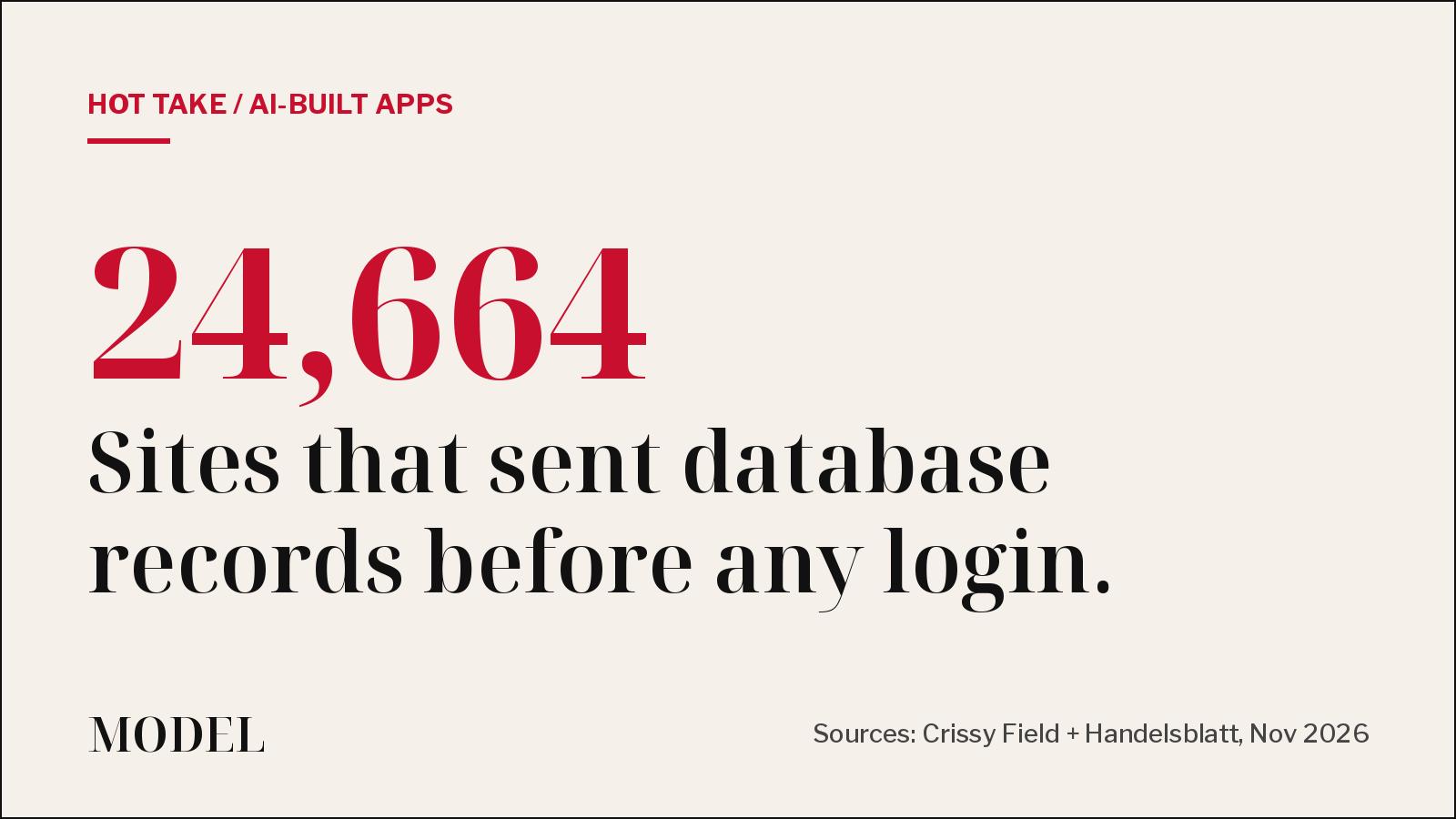
AI app builders made the login screen the easy part. The database behind it is where things go wrong.
What the researchers found. German security firm Crissy Field, working with Handelsblatt, used Common Crawl data to find 159,041 Lovable projects published between December 2025 and September 2026. Handelsblatt reported the findings in early November, and Techzine followed on November 4.
- 34,545 of those projects used Supabase as their database.
- 24,664 sites sent Supabase database records as soon as the page loaded, with no login. The researchers note that alone is not a problem: some of that data is meant to be public.
- With more read-only requests using the same public key the browser already gets, they found tables containing email addresses on 7,403 of those 24,664 sites (30%). They say that is not a confirmed leak rate: some addresses are public contacts or test data, and records without emails were missed.
- The worst cases included a German lifestyle forum with more than 80,000 profiles and more than 200,000 chat messages, event and restaurant ticket and sales records with payment details, and a service provider with more than 1,000 identity records including passport numbers.
- It could not be determined whether any of the data was misused.
It's not just one builder. A poster at ACM CCS 2026, "The Aggregation Gap," looked at Supabase row-level security policies in repositories attributed to AI coding platforms. Across six generators that wrote RLS policies, 6.3% of all read policies were open to the anonymous role, but 56.9% of repositories had at least one. A local replay confirmed anonymous readability in 353 of 400 sampled flagged Lovable repos. The author released an offline checker, rlspect.
Why one rule is enough. Supabase's own docs say it plainly: "A table in an exposed schema without RLS is readable and writable by any role with a grant on it." The public (anon) key is in every visitor's browser by design. Row-level security is the lock.
What the platforms say. Lovable told Handelsblatt the issue is an industry-wide problem. Its docs say automatic security checks run when you open the publish dialog, with deeper checks on demand, and findings can be fixed from a Security view.
Our take. "No technical knowledge needed" is true for building the screen, not for deciding who can read each row. The AI will happily write a policy that says "everyone." Before real customer data goes in:
- Enable RLS on every table in an exposed schema, then add policies.
- Search your policies for rules that let the anon role read everything, and delete the ones you didn't mean.
- Log out, open the browser dev tools, and try to read your own tables with the public key.
- Run the builder's security check before every publish, and read the findings instead of clicking past them.
- If the app holds IDs, payments or private messages, get a human review of access rules first.
Related: Your coding agent can read your .env. Two settings fix that. and AI keeps inventing the same fake packages.
Not tested by MODEL. Not sponsored. No affiliate links. Figures are the researchers'. -- MODEL Editors
Get three tested tools every Friday
Free, weekly. Unsubscribe anytime.
Sources
- Lovable: Many Apps Built on the Platform Expose Sensitive Data
Crissy Field
- Lovable: Hat die beliebte KI-Coding-Plattform ein Sicherheitsproblem?
Handelsblatt
- Thousands of Lovable apps are leaking personal data
Techzine
- POSTER: The Aggregation Gap: Row-Level Security Failures in Vibe-Coded Applications
ACM CCS 2026
- Row Level Security
Supabase
- Security checks
Lovable
Keep reading
Builder tip
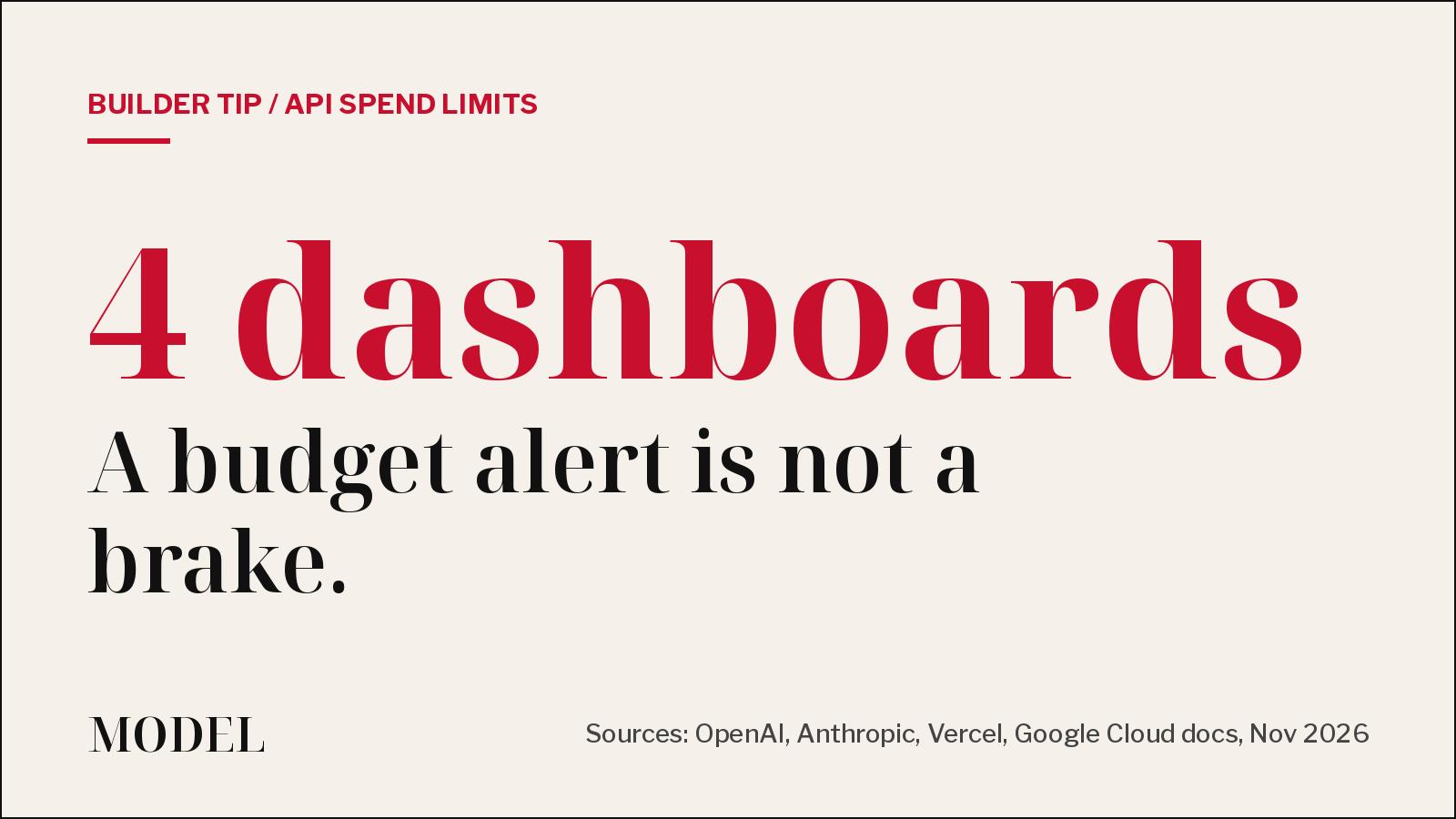
A budget alert is not a brake: check your AI API spend limits before the long weekend
OpenAI, Anthropic, Vercel and Google Cloud all let you set a monthly number. Only some settings actually stop traffic when you hit it. Here is which switch to flip on each.
· MODEL Editors
The test
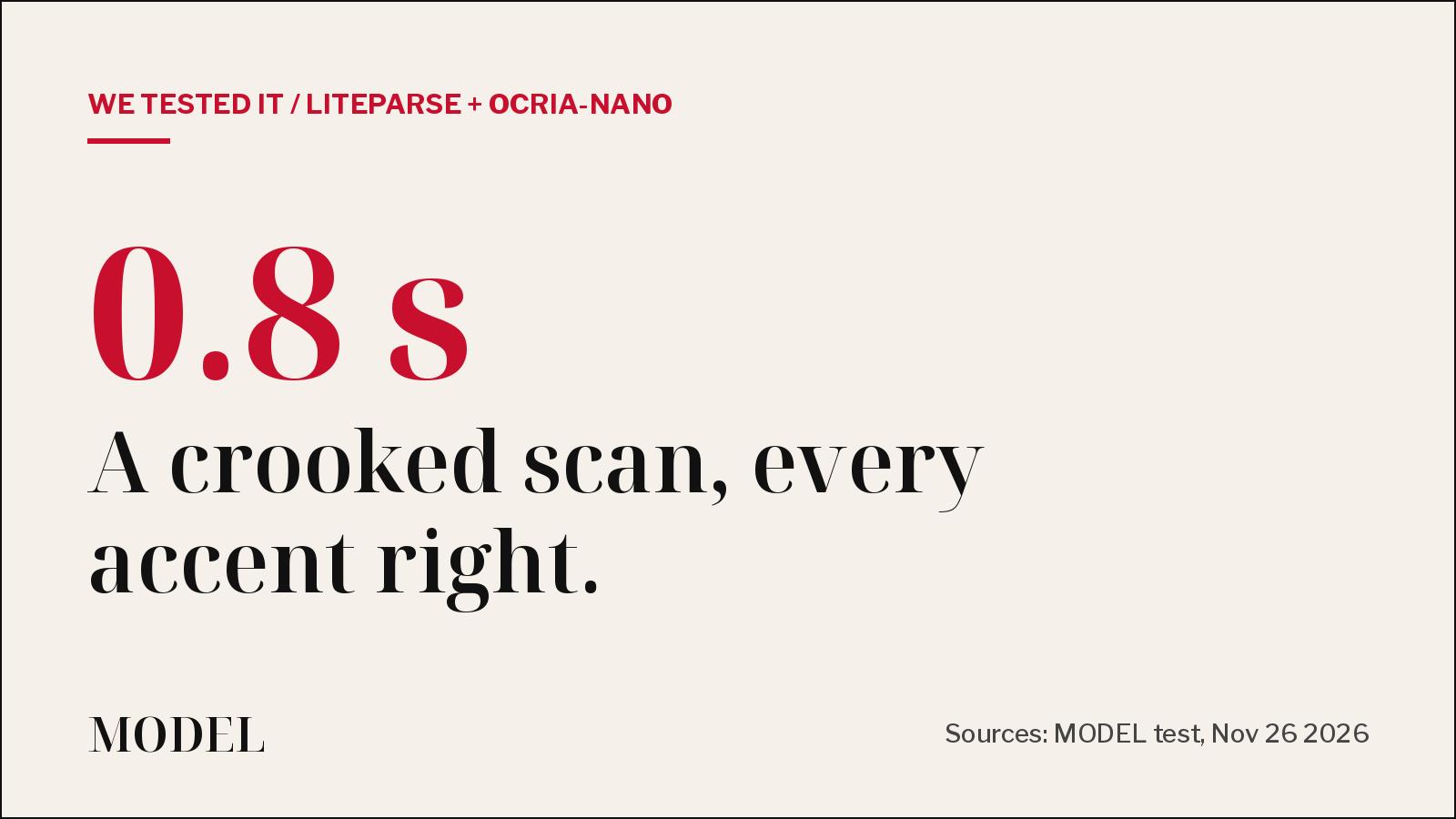
LiteParse + OCRia-nano tested: it read our crooked scan offline, but check the tables
LlamaIndex's free LiteParse tool now has small local OCR and table models. We ran them on a plain Linux box with no GPU. A tilted scan came back with every accent right in 0.8 seconds. The tables needed checking.
· MODEL Editors
Hot take
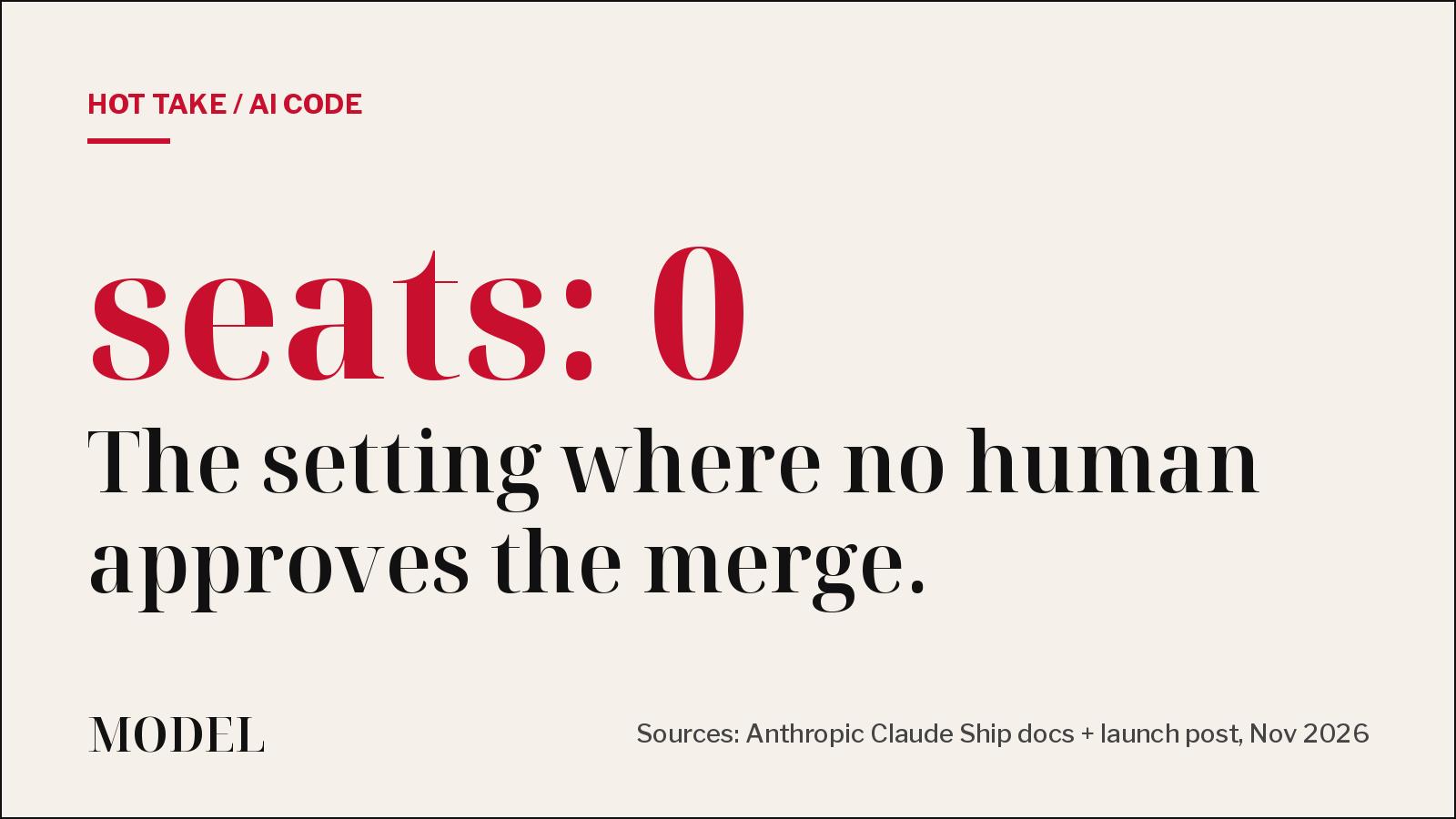
AI writes the PR, reviews it, fixes it. Now it can approve it
Anthropic's Claude Ship adds two beta agents: PR Steward pushes fixes, Claude Approvals can approve routine changes under a policy file. Anthropic's own docs explain how a PR can merge with no human but its author. Our take: that YAML file is now your most important code review.
· MODEL Editors
Builder tip
Vibe coding still rewards people who know how software works
An ETH Zurich study of 100 students found computer-science knowledge was the strongest predictor of vibe-coding results, clear writing helped too, and the heaviest everyday chatbot users did worse. Our tip: write the spec like you mean it, and learn the basics anyway.
· MODEL Editors
FREE · EVERY WEEK
The top AI tools this week, tested.
Every week MODEL's editors pick the AI tools worth your time, try them hands-on, and tell you what's good, what's not, and who it's for. Free, in your inbox.
Free. Unsubscribe anytime. Our picks are editorial and can't be bought.